The Working Principle of Shielded Cables: In Which Engineering Projects Are They Mandatory?
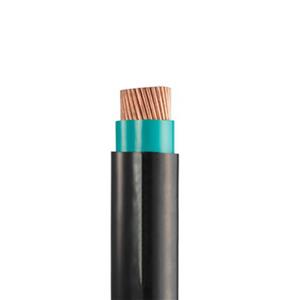
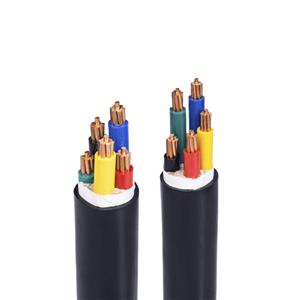
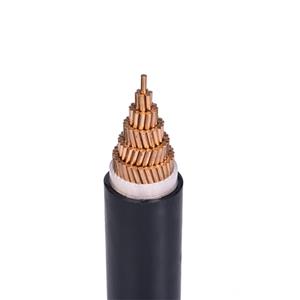
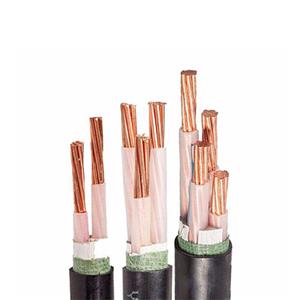
In the intricate world of circuitry, cables serve as the "highways" for transmitting information and power, while shielded cables act as "VIP lanes" on these highways—designed specifically for applications demanding exceptional signal quality and stability. So, what exactly is a shielded cable? Simply put, it is a specialized cable featuring one or more shielding layers wrapped around the conductor—much like a "protective suit." The primary function of this layer is to block external electromagnetic interference and prevent internal signal leakage, thereby ensuring the accuracy and stability of signal transmission. Shielded cables possess a more complex structure than standard unshielded cables; while unshielded cables typically consist only of a conductor, an insulation layer, and a jacket, shielded cables incorporate an additional shielding layer between the insulation and the jacket. This structural distinction effectively blocks external electromagnetic interference, creating a relatively clean environment for signal transmission.
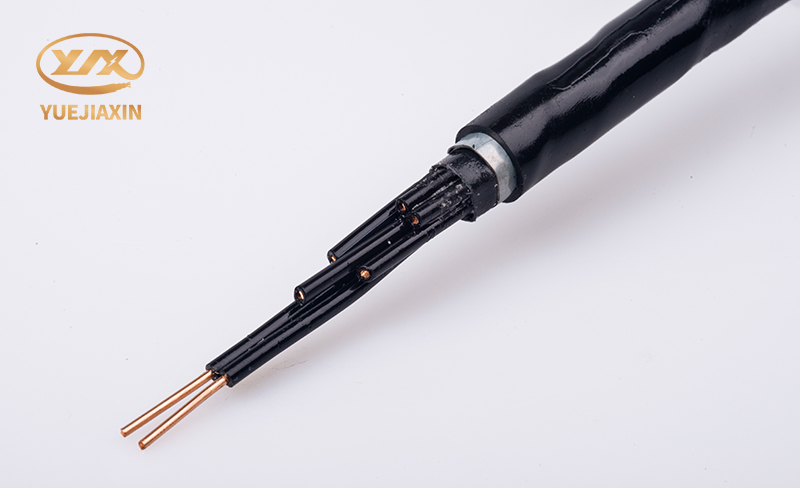
Shielded cables comprise a vast family, with various models excelling in diverse fields. KVVP is a control cable featuring copper conductors, PVC insulation and sheathing, and a braided shield; in industrial automation control systems, it reliably withstands mechanical vibrations and minimizes signal interruptions caused by loose conductors. It also performs exceptionally well in power distribution and electrical system applications—such as substation monitoring circuits, signal transmission within power distribution cabinets, and relay protection lines—with a rated voltage of up to 450/750V that meets the requirements of low-voltage distribution systems while ensuring high safety. RVVP, a flexible power cable with copper conductors, PVC insulation and sheathing, and a braided shield, is perfectly suited for indoor installations where electromagnetic environments are harsh and installation spaces are compact. It can be installed in cable trays or conduits, facilitating convenient indoor wiring. RVVP is frequently employed in smart home systems for signal transmission in devices such as central air conditioning thermostats, electric curtains, and fresh air system controllers; acting as a flexible "signal messenger," it reliably transmits signals across complex indoor environments.
Signal transmission stability and integrity are critical requirements across many sectors, and shielded cables excel in this regard. By preventing internal signal leakage and reducing signal attenuation and distortion, they provide a reliable guarantee for effective signal transmission.
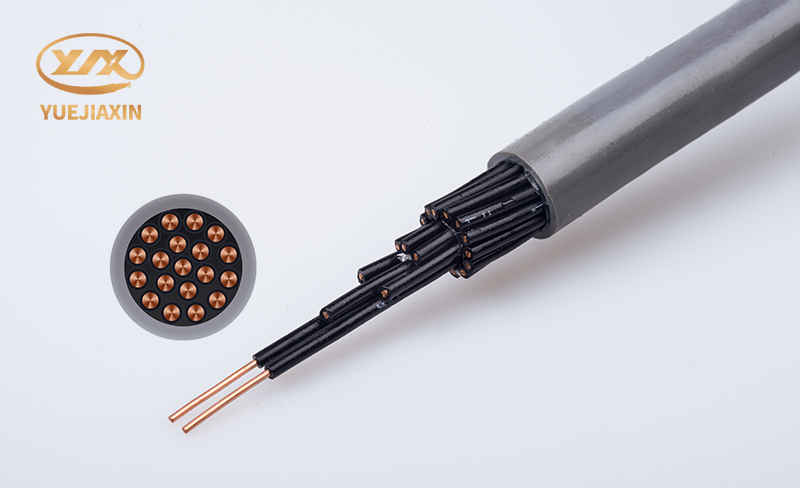
Shielded cables possess excellent environmental resilience, enabling them to adapt to a wide range of complex conditions. Whether operating in harsh industrial environments—characterized by high temperatures, humidity, or corrosive gases—or installed in specialized locations such as underground or underwater settings, these cables deliver stable performance. Acting as the "silent guardians" of the modern electrical sector, shielded cables play an indispensable role in ensuring stable signal transmission and protecting against electromagnetic interference. From industrial control systems to smart home technology, and from communication networks to medical equipment, shielded cables are ubiquitous, bringing both convenience and safety to our lives and work.