How to Select Power Cables
In power engineering, home plumbing, industrial renovation, and municipal power distribution projects, power cables are core basic building materials, directly affecting the safety, stability, and lifespan of the entire power system. Many people choose cables based solely on price and experience, leading to minor issues like overheating, unstable voltage, and frequent tripping, or more serious problems like short circuits, fires, and equipment damage. Rework and repairs are also time-consuming and costly.
Different laying environments and electrical loads have vastly different requirements for cable insulation, sheathing, and protection levels. There is no universal cable, only the most suitable one. Outdoor, underground, high-temperature, corrosive, and densely populated areas all have specific selection standards. Rated voltage, current carrying capacity, short-circuit withstand capability, and flame retardant and fire-resistant ratings must comply with national standards and project construction specifications. Non-standard or mislabeled products are strictly prohibited to mitigate electrical safety risks from the outset. The rated voltage of the cable must be greater than or equal to the highest operating voltage of the circuit; this is a fundamental requirement and must never be lower than that. For everyday home renovations and construction site low-voltage power distribution (220V/380V): 0.6/1kV low-voltage cables should be used uniformly, suitable for all civil and general industrial scenarios. For high-voltage transmission lines and main lines in factory areas (10kV and above): YJV series cables of the corresponding high-voltage rating should be used; the substitution of low-voltage cables is strictly prohibited. The cable cross-section directly determines the current carrying capacity, that is, the maximum current the line can bear. Excessive load and insufficient cross-section will lead to long-term overheating and aging of the cable, creating safety hazards; excessive cross-section will result in wasted costs.
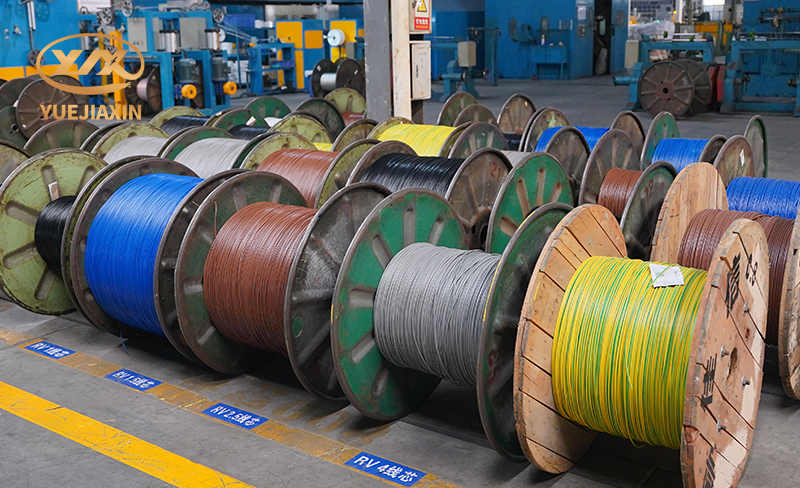
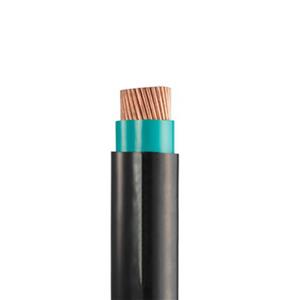
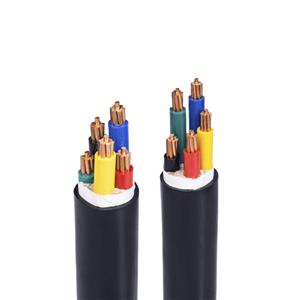
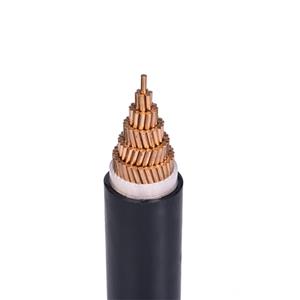
For home renovations and ordinary construction sites with low-voltage power distribution (220V/380V): 0.6/1kV low-voltage cables are uniformly selected. For industrial and mining areas with high-voltage power distribution: 8.7/15kV high-voltage cables are selected for 10kV applications. For large-scale municipal and power transmission projects: corresponding high-voltage cables are matched according to the power grid level. The mainstream cables on the market are divided into copper core and aluminum core. Choose according to your needs without worrying about the choice: Copper core cables have good conductivity, low resistance, are not easily oxidized, have stable current carrying capacity, are resistant to high temperatures, have strong overload resistance, and have a long service life. Aluminum core cables are cheaper and lighter, but their conductivity, oxidation resistance, and stability are far inferior to copper cores, and the joints are prone to oxidation and overheating.
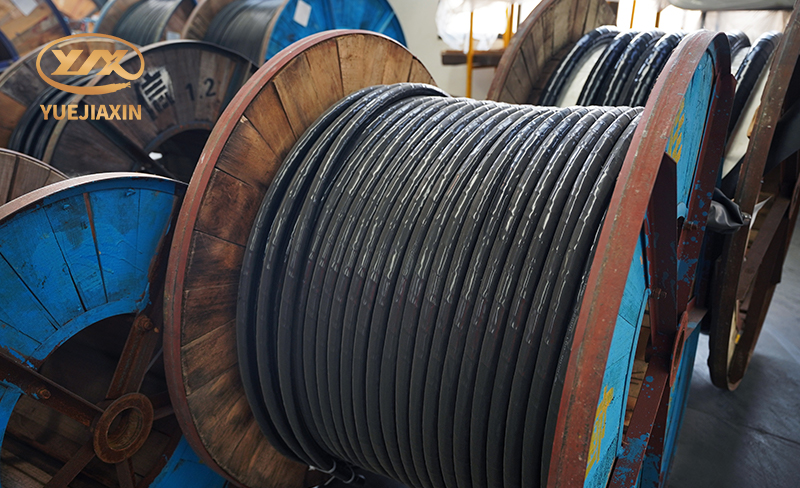
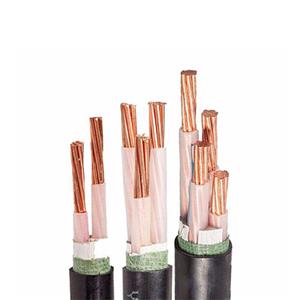
The cable and wire supplier has compiled a standardized selection process for your reference. First, determine the voltage level: Match the cable's rated voltage to the power supply system voltage; calculate the total power of the equipment, determine the operating current, and identify the required cable cross-section; select the cable type and protection structure based on whether it's indoor/outdoor use, underground/cable tray installation, or high-temperature/corrosive conditions. Whether it's home electrical and plumbing renovations, small-scale construction projects, or large-scale industrial and municipal power projects, choosing the right cable can avoid safety issues such as leakage, fire, and downtime, while also reducing later maintenance and replacement costs, achieving one-time selection, long-term stability, and durability.