Aluminum Alloy Cables vs. Copper Cables: A Comprehensive Comparison of Pros and Cons
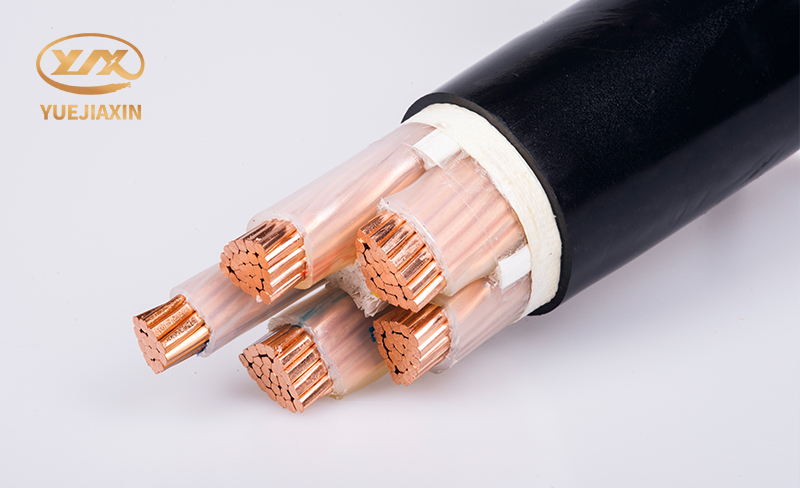
In the realm of power transmission, copper-core and aluminum-core cables stand as the two primary contenders; they shoulder the vital responsibility of delivering electrical energy to every corner, ensuring the reliable power supply essential for our daily lives and industrial production. Copper-core cables boast exceptional electrical conductivity, allowing them to handle a current-carrying capacity 15% to 20% higher than aluminum-core cables of the same specifications. This enables efficient energy delivery to wherever it is needed, significantly minimizing transmission losses and maximizing the value of every kilowatt-hour of electricity. Furthermore, copper-core cables exhibit outstanding mechanical properties. They possess high strength, with a permissible stress level at room temperature that far exceeds that of aluminum—an advantage that becomes even more pronounced in high-temperature environments.
As an extremely abundant metal in the Earth's crust—with reserves roughly a thousand times greater than those of copper—aluminum enjoys an inherent raw material cost advantage, making aluminum-core cables significantly more affordable than their copper counterparts. In large-scale power infrastructure projects, this cost advantage becomes even more pronounced. Aluminum’s density is only about one-third that of copper, giving aluminum-core cables a major weight advantage. Their lightness makes the work of installation crews much easier and more efficient, as transporting and laying the cables requires less effort and expense. In high-rise electrical wiring, the low weight of aluminum-core cables allows for easier vertical installation without the need for heavy machinery; this boosts efficiency and reduces safety risks during construction.
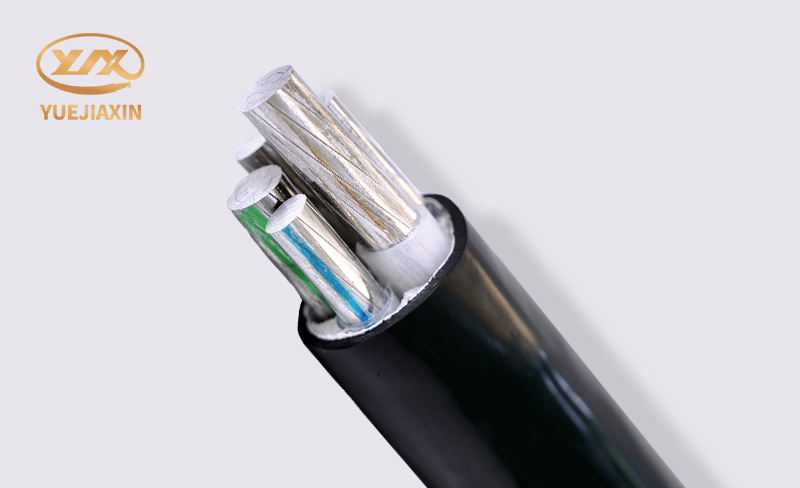
While copper-core cables offer many advantages, their high price is a significant drawback. As a relatively scarce resource, copper commands a high price that fluctuates considerably due to factors such as international supply and demand and geopolitics. Consequently, production costs remain high, making copper-core cables much more expensive than aluminum ones. Aluminum-core cables have higher electrical resistivity, resulting in greater resistance during transmission; to meet the same power transmission requirements, larger conductor cross-sections are often needed, which increases both material costs and the space required for installation. Furthermore, aluminum-core cables have inferior mechanical properties—lower strength and softer material—making them more susceptible to deformation or damage from external forces such as stretching, bending, or crushing. Careless handling during installation can easily snap the internal aluminum core, compromising the cable's functionality.
In short, both copper-core and aluminum-core cables have their respective advantages and disadvantages; there is no absolute "best" choice in practical applications. The key lies in making the most suitable selection by comprehensively considering various factors based on specific needs and scenarios. Hopefully, today’s discussion helps you avoid pitfalls when selecting cables and ensures more stable and efficient power transmission!