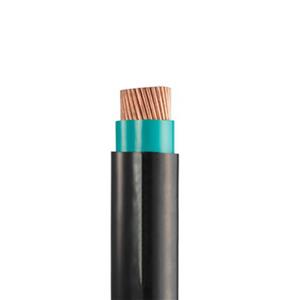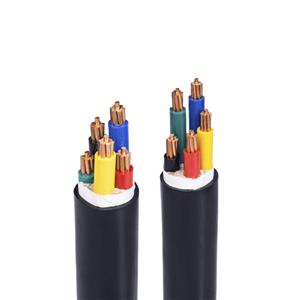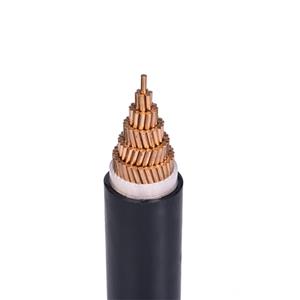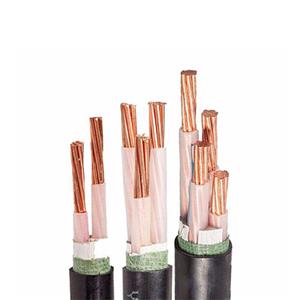
Aluminum-core cables supplied directly from the source—helping projects reduce costs and boost efficiency, with guaranteed quality.
Simply put, an aluminum-core cable is a cable that uses aluminum as its conductor material. You will often see the letter "L" in cable model designations; this signifies an aluminum core. Common models include BLV, YJLV, YJLV22, VLV, and VLV22. While these model codes may appear complex, each carries a specific meaning. For instance, BLV denotes an aluminum-core wire with PVC insulation; it features a simple structure and low cost, making it suitable for lighting circuits that do not require high-performance specifications. For example, temporary construction sheds might use BLV aluminum-core wire to connect lighting fixtures in order to cut costs. YJLV, on the other hand, is an aluminum-core power cable featuring cross-linked polyethylene (XLPE) insulation and a PVC sheath; it offers excellent insulation properties, high mechanical strength, and superior chemical stability. It is commonly found in urban low- and medium-voltage distribution networks and in the main power supply lines of high-rise buildings. VLV refers to an aluminum-core power cable with PVC insulation and a PVC sheath. As for the armored models YJLV22 and VLV22, they are essentially YJLV and VLV cables enhanced with a steel-tape armor layer. This armor layer acts like a suit of sturdy armor for the cable, significantly boosting its mechanical strength and enabling it to withstand substantial pressure and tensile force, making it suitable for direct-burial installation.
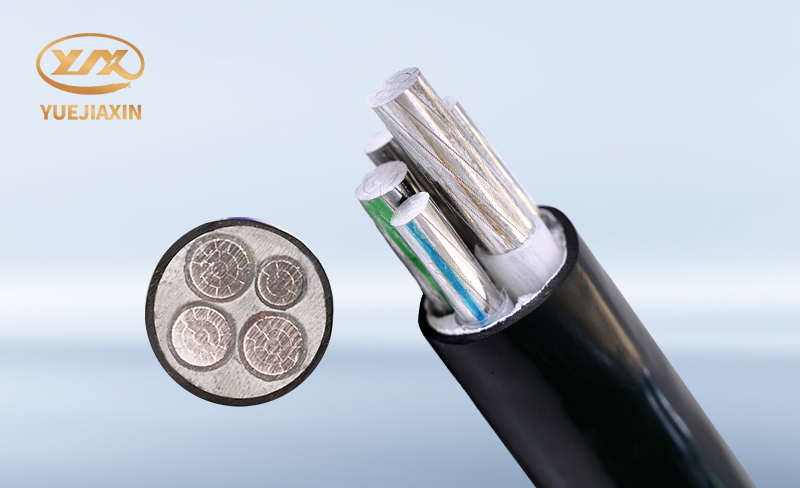
Aluminum is extremely abundant on Earth, with reserves several times greater than those of copper. This abundance results in relatively low mining and processing costs; consequently, aluminum-core cables are priced at only about one-third of their copper-core counterparts. This significant price difference gives aluminum-core cables a distinct advantage in large-scale power engineering projects. Aluminum’s density is only about one-third that of copper, providing a major advantage in terms of weight; aluminum-core cables weigh approximately half as much as copper-core cables. This lighter weight offers numerous conveniences during the transportation and installation processes. However, lower mechanical strength is a significant drawback of aluminum-core cables. Aluminum is relatively soft, with a tensile strength of only 100–150 MPa and an elongation of about 15%, whereas copper-core cables boast a tensile strength of 200–300 MPa and an elongation of 30% or greater. As a result, aluminum-core cables are more prone to deformation or even breakage when subjected to external forces.
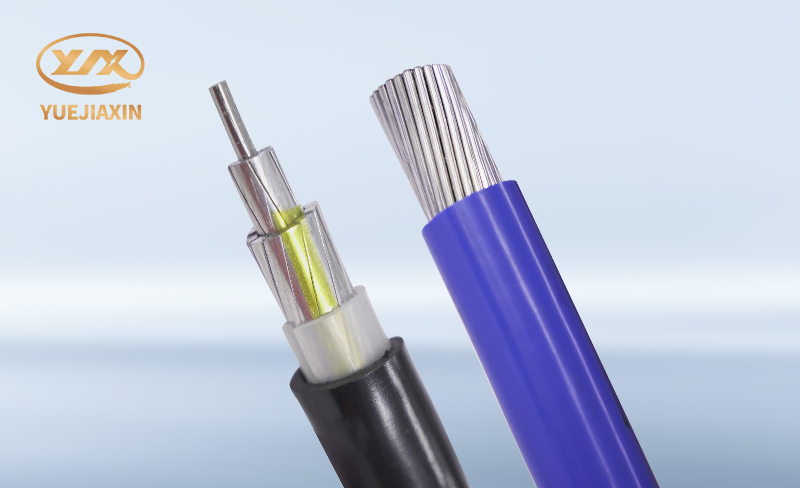
With continuous technological advancements, it is expected that aluminum-core cables will achieve further technical breakthroughs, with their performance limitations likely to be improved. Despite certain drawbacks, their advantages—such as low cost, light weight, and corrosion resistance—ensure they play an irreplaceable role across numerous fields.