Applications of Control Cables
In an era of rapid industrial and technological advancement, a seemingly ordinary yet vital component—the control cable—plays a crucial role behind the scenes. Much like the human nervous system, these cables operate unobtrusively while governing the operational commands of various systems; they are the "unsung heroes" ensuring the proper functioning of complex equipment and systems. Ubiquitous in our daily lives, control cables connect diverse devices and systems, transmitting indispensable control signals.
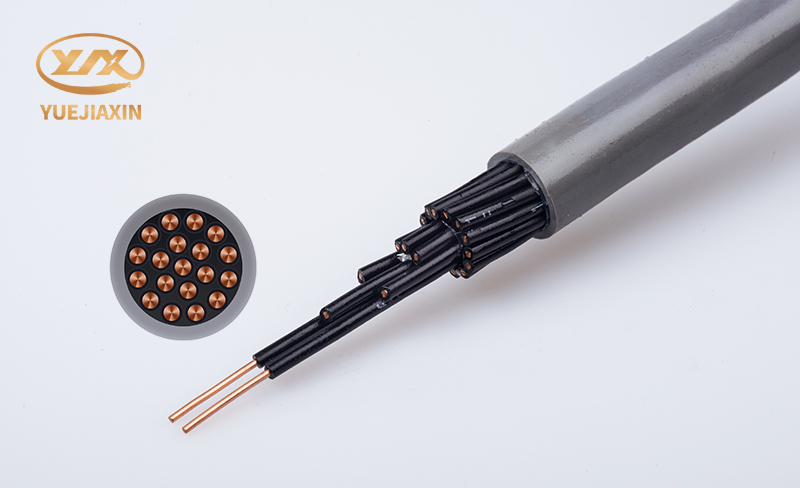
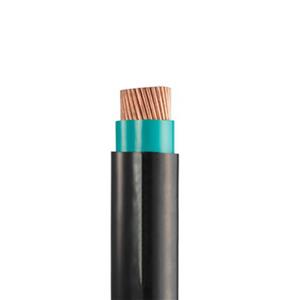
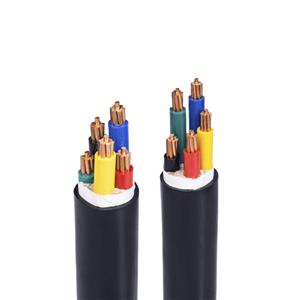
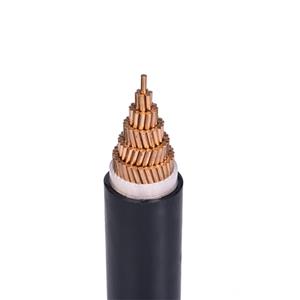
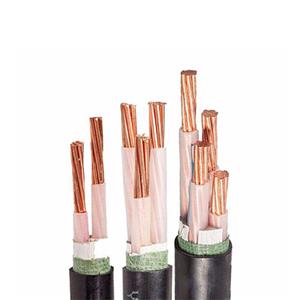
By definition, a control cable is a type of cable specifically designed to transmit low-voltage signals—such as control signals, operating commands, and monitoring data. Control cables differ significantly from power cables. Power cables are primarily responsible for transmitting high-power electrical energy to drive various types of equipment; they operate at higher voltages—commonly 1 kV, 10 kV, or even higher—and feature larger conductor cross-sections to accommodate high current loads. In contrast, control cables transmit low-voltage, low-current control signals, typically operating at 450/750 V or below. Structurally, control cables generally employ a multi-core design—ranging from 2 to 61 cores—to facilitate the simultaneous transmission of multiple distinct signals, whereas power cables typically have fewer cores, commonly 1, 3, 4, or 5. This multi-core configuration is a defining characteristic of control cables; the individual cores act as independent information channels, each handling specific tasks and enabling the simultaneous transmission of multiple control signals.
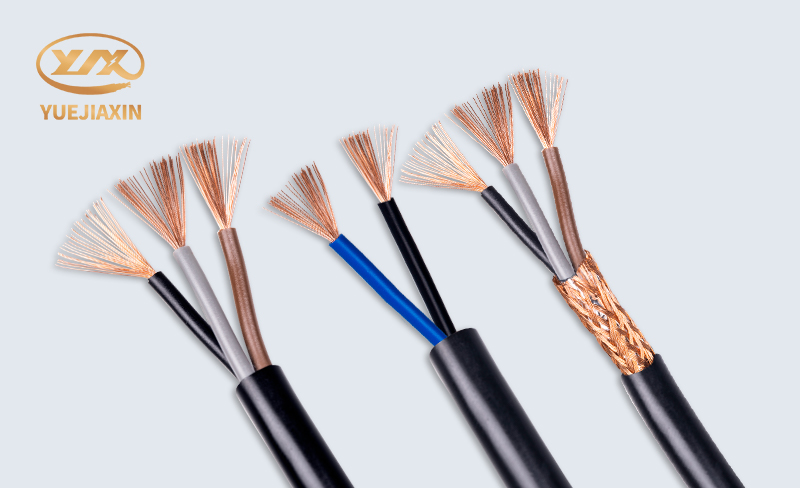
Control cables offer exceptional flexibility and durability, enabling them to adapt to a wide range of complex and dynamic environments. In equipment requiring frequent movement or bending, these cables must constantly flex alongside the machinery; this necessitates high flexibility to prevent issues such as internal conductor breakage or insulation damage. Furthermore, the cable sheaths are typically made from materials like PVC, PE, or PUR, which provide resistance to oil, acids, alkalis, UV radiation, and fire, ensuring reliable performance under harsh conditions—including high temperatures, humidity, and exposure to corrosive chemicals.
Thanks to their unique performance characteristics, control cables are widely and extensively utilized across numerous sectors, serving as indispensable components for the proper functioning of complex modern systems. Though they may appear unassuming, control cables play a vital, irreplaceable role in every corner of modern society, acting as the cornerstone for the stable operation of diverse systems.