Multi-core Flexible Cable vs. Single-core Solid Wire: Which to Choose for Home and Industrial Applications?
When renovating, choosing electrical wires often confuses people, especially between single-core solid wires and multi-core flexible cables. The difference is only one word, but the actual differences are significant. Choosing the wrong wire not only wastes money but can also create safety hazards.
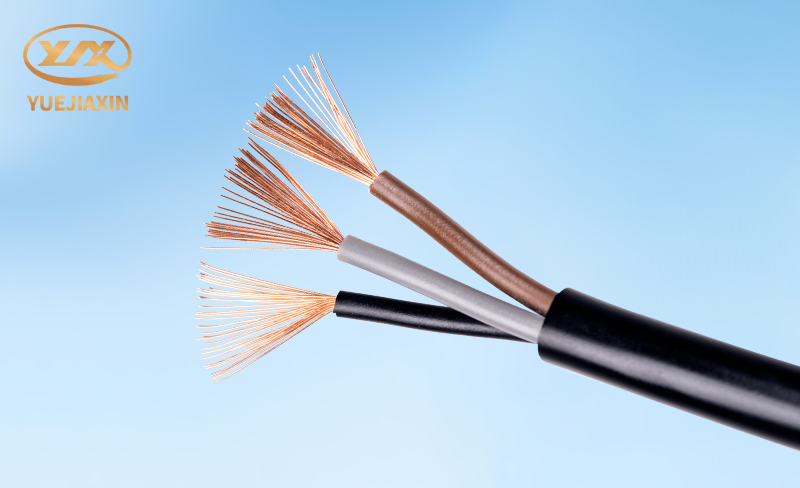
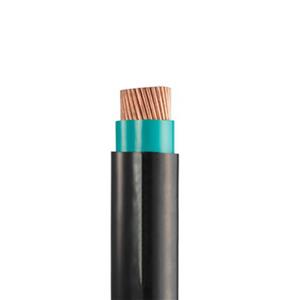
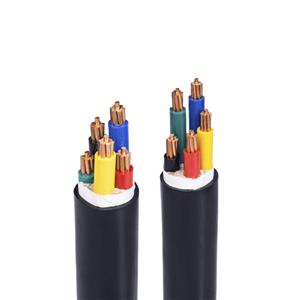
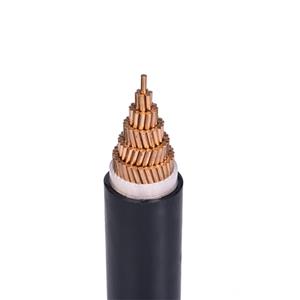
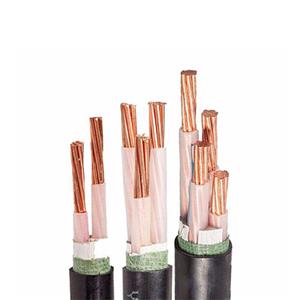
A single-core solid wire consists of a single solid copper conductor, which is the "main force" for power transmission. The outer polyvinyl chloride (PVC) insulation material not only provides insulation but also waterproofing, moisture resistance, and corrosion resistance. This insulation material is common, affordable, and has stable performance, capable of withstanding various environments. The BV wire commonly found in our homes is a typical example of a single-core solid wire; it is frequently used in lighting circuits and socket wiring during renovations, reliably supplying power to various appliances. In contrast, multi-core flexible cables have a more complex structure. They are made of multiple strands of fine copper wire twisted together, which together bear the responsibility of transmitting current. The design of multiple strands of fine copper wire makes it highly flexible, easily handling various complex wiring scenarios. Its insulation layer offers a variety of choices, commonly including polyvinyl chloride (PVC) and cross-linked polyethylene (XLPE). PVC insulation is inexpensive and easy to process, making it common in general electrical equipment and building wiring. XLPE insulation is even more advanced, offering excellent temperature resistance and electrical performance, and is often used in high-voltage cables and applications with high performance requirements. Furthermore, multi-core flexible cables may have an outer sheath, further enhancing their mechanical protection and allowing them to function normally in harsh environments. RVV cables, for example, are sheathed multi-core flexible cables frequently used in security monitoring and automation equipment.
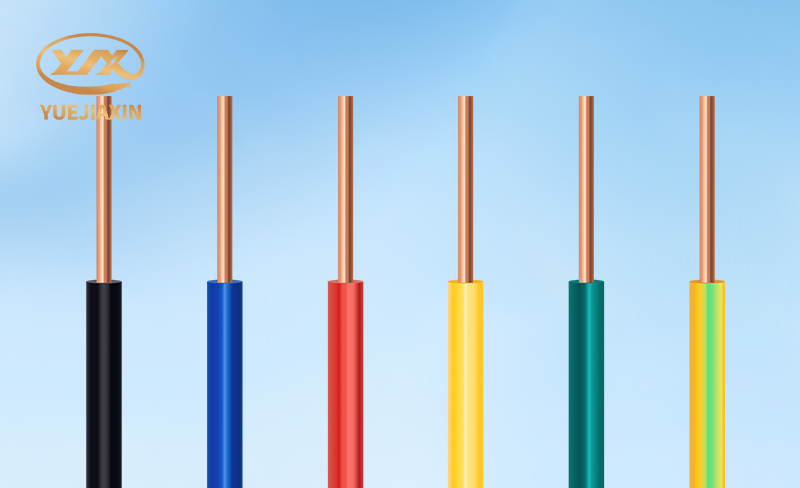
Single-core solid wire and multi-core flexible cable each have their advantages and disadvantages, with significant differences in conductivity, flexibility, oxidation resistance, heat dissipation, and price. When choosing, factors such as budget, installation difficulty, and power requirements should be considered. If the budget is limited and the wiring is simple, single-core solid wire is a good choice; if high flexibility and heat dissipation are required, and the wiring is complex, multi-core flexible cable is more suitable.