How to Differentiate Between YJV, Armored Cables, and solar Cables?
In scenarios ranging from power infrastructure and photovoltaic projects to industrial plant power distribution and electrical installations for residential or commercial properties, YJV cables, armored cables, and photovoltaic cable are the most widely used types. Both industry newcomers and seasoned professionals often confuse these three, leading to errors in cable selection, improper installation, or failure to pass inspections; such issues can result in increased construction costs or, more seriously, safety hazards such as electrical leakage, premature cable aging, and equipment failure.
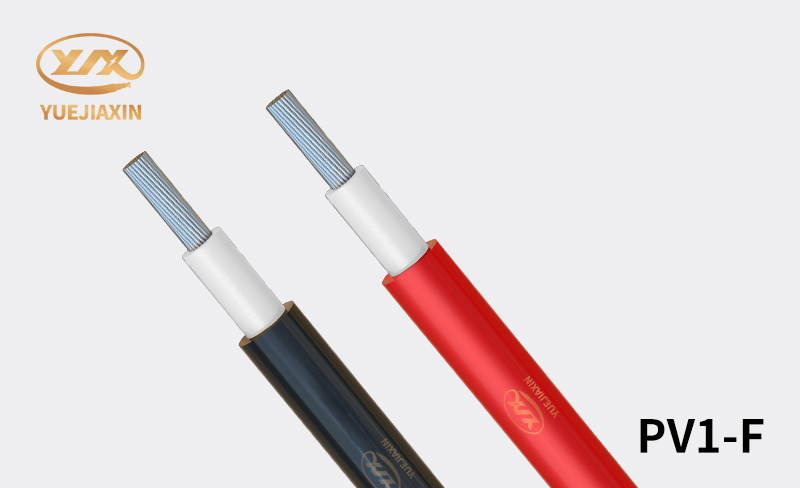
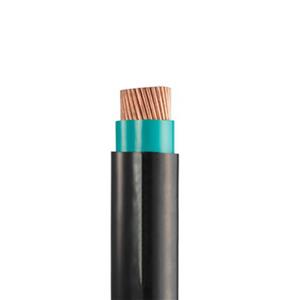
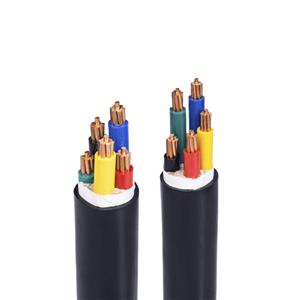
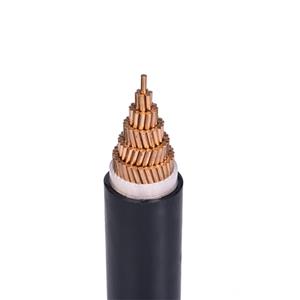
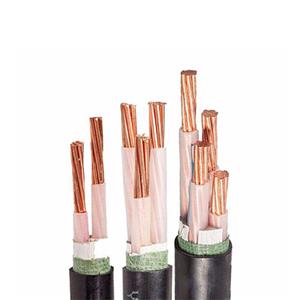
In reality, these three categories do not stand on equal footing; rather, they involve relationships of inclusion and specialized application: YJV is a general-purpose power cable; armored cable is a category defined by its protective structure (which includes armored versions of YJV); and photovoltaic (PV) cable is a specialized cable designed for new energy applications. YJV is the most common low-voltage power cable on the market that meets national standards; its full designation is "copper-core, cross-linked polyethylene (XLPE) insulated, PVC-sheathed power cable," typically rated for 0.6/1 kV. It features a simple, uniform structure consisting of three layers—a copper conductor, an XLPE insulation layer, and a PVC outer sheath—without any additional protective layers. It is flexible, easy to bend, and offers stable current-carrying capacity, making it a standard choice for indoor power distribution, cable tray routing, and conduit installation. Most common indoor power and control cables encountered in daily use belong to the YJV series; they can be manufactured with upgrades such as flame-retardant or fire-resistant properties to suit a wide range of standard distribution scenarios. Many people mistakenly believe that "armored cable" is a distinct cable model, whereas "armoring" actually refers to a protective structural feature. Simply put, an armored cable is created by adding a layer of metal armor to a standard cable (such as YJV or VV); common models include YJV22 and YJV32. YJV22 features steel-tape armoring, offering excellent compressive strength suitable for direct underground burial, while YJV32 features steel-wire armoring, providing superior tensile strength suitable for vertical shafts in high-rise buildings or installations involving significant elevation changes. The armor layer acts as a suit of "metal armor" for the cable, primarily protecting against crushing, rolling loads, and external mechanical damage, thereby compensating for the relatively weak impact and tensile resistance of standard YJV cables. Photovoltaic cables—standardized under the model PV1-F—are specialized DC cables designed specifically for photovoltaic power generation systems with a rated voltage of DC 1500V, distinguishing them from conventional AC power cables. As a standalone, specialized category independent of the standard power cable system, they are engineered for harsh outdoor environments, featuring weather resistance, UV resistance, tolerance to extreme temperatures, and aging resistance; their design lifespan of up to 25 years aligns with the operational lifecycle of the photovoltaic power plant itself.
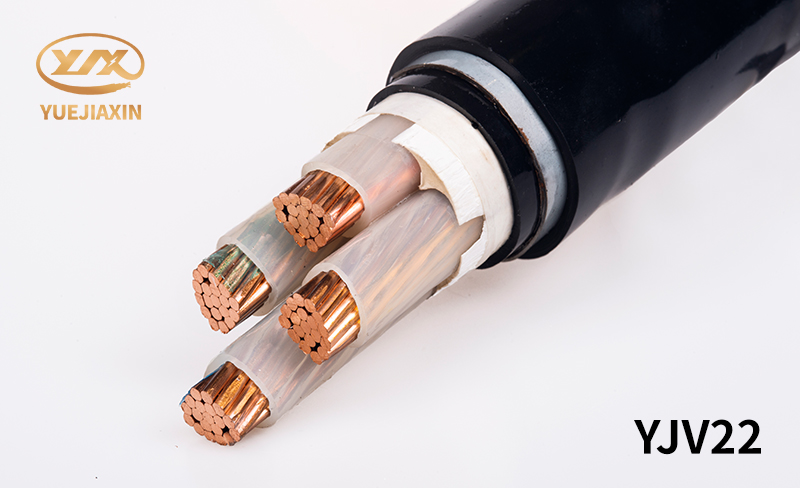
Standard YJV cable is suitable only for mild environments such as indoors, tunnels, cable trays, and conduits; it is vulnerable to direct sunlight, crushing, and stretching, and is strictly prohibited from being laid exposed outdoors or directly buried underground. Armored cable offers resistance to mechanical damage, compression, and tension, making it suitable for direct underground burial, overhead outdoor installation, and surface laying in industrial complexes; however, its UV and aging resistance are only moderate, and it tends to degrade with prolonged exposure to sunlight. Photovoltaic cable is designed primarily for outdoor durability, featuring resistance to prolonged sun exposure, temperature extremes, ozone, and corrosion; it withstands rain, snow, intense sunlight, and temperature fluctuations, making it the only cable type suitable for long-term exposed outdoor use—though it lacks compression and impact resistance and cannot be directly buried or subjected to heavy loads. In short: YJV is the general-purpose indoor option, armored cable is the reinforced/protected option, and photovoltaic cable is the specialized outdoor option. Choose YJV for standard indoor power distribution and conduit wiring; choose armored YJV22/YJV32 for direct underground burial or applications requiring crush and tension resistance; and use solar cable for exposed outdoor DC wiring in photovoltaic power plants. Accurately distinguishing between these types and selecting the right cable for the job is essential knowledge for power and photovoltaic construction; it helps avoid safety hazards and ensures successful project acceptance while preventing material waste and reducing long-term operation and maintenance costs.