How to choose between single-core aluminum wire and multi-core aluminum cable
In power engineering, building power distribution, industrial equipment wiring, and new energy supporting projects, aluminum cables have become the mainstream material for high-voltage power transmission, civil power distribution, and industrial control systems due to their core advantages such as high cost-effectiveness, light weight, corrosion resistance, and ease of installation. Compared to copper core cables, aluminum cables significantly reduce engineering procurement and construction costs and are suitable for large-scale, long-distance wiring scenarios. In actual selection, single-core aluminum wires and multi-core aluminum cables are the two core categories. Their structural designs, electrical performance, and applicable scenarios differ significantly. Incorrect selection can not only waste resources but also potentially lead to safety hazards such as line overheating, unstable power supply, and shortened service life.
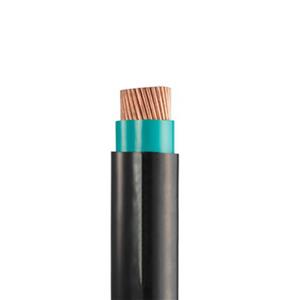
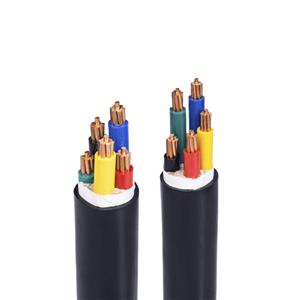
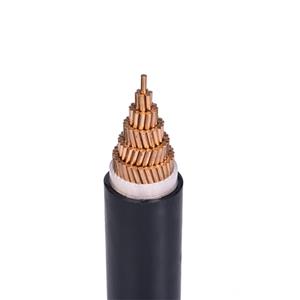
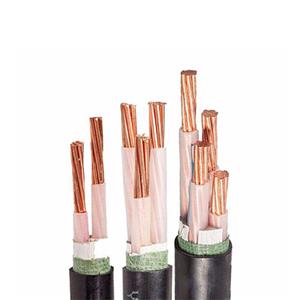
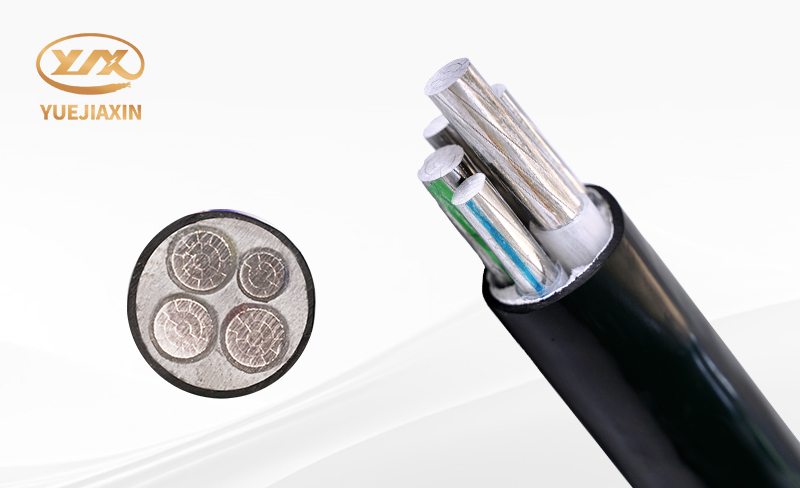
From a basic structural definition perspective, single-core aluminum wire is a cable product with a single solid aluminum conductor and an insulation layer. It has a simple and regular structure, uniform conductor cross-sectional area, no excess sheathing layers or stranded wire structures, and overall higher rigidity and stronger stability. Multi-core aluminum cables integrate multiple independently insulated aluminum cores into a single outer sheath. Common specifications include 2-core, 3-core, 4-core, and 5-core cables. Some products also feature an armored protective layer. They offer a high degree of integration and excellent wiring neatness, making them a core choice for integrated cabling. The fundamental differences in their structures directly determine their respective differences in heat dissipation, current carrying capacity, flexibility, and interference resistance, and also define their core application areas.
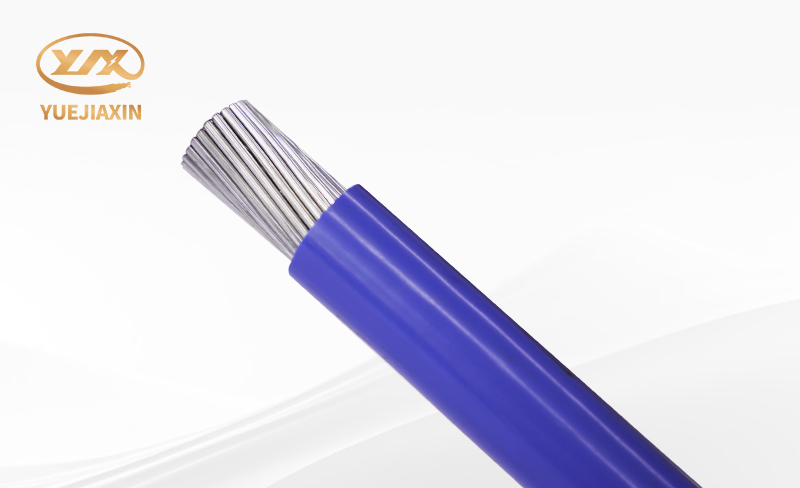
Electrical performance and heat dissipation are core considerations for cable selection, directly impacting power supply safety and operational stability. Single-core aluminum wire has a solid, integral conductor structure, ensuring uniform current transmission without shunt loss. Its larger surface area in contact with air results in superior heat dissipation efficiency, enabling it to withstand high current and high load conditions for extended periods and exhibiting stronger overload tolerance. Multi-core aluminum cables, due to their integrated multi-core structure and densely packed internal cores, have limited heat dissipation space, resulting in lower overall heat dissipation efficiency compared to single-core aluminum wire of the same specifications. Under high current conditions, they are prone to localized heat accumulation, limiting their current carrying capacity. Multi-core aluminum cables, with their multi-strand subdivided structure, offer excellent overall flexibility, allowing for easy bending with a small bending radius, making them suitable for complex wiring environments and dynamic wiring scenarios. Furthermore, armored multi-core aluminum cables possess compression resistance, tensile strength, and abrasion resistance, allowing for direct burial and adaptability to complex outdoor and underground construction environments. However, after prolonged bending, multi-core cables are prone to internal core displacement and insulation wear and aging, resulting in lower stability under heavy loads compared to single-core aluminum wire.
In terms of raw materials, single-core aluminum wire has a simple structure, without complex sheathing or integration processes, resulting in lower raw material costs for the same cross-sectional area. Furthermore, the solid conductor offers stronger resistance to oxidation and corrosion, making it less prone to aging during long-term fixed installations and extending its service life. Its long-term maintenance cost-effectiveness is outstanding, making it suitable for large-scale infrastructure projects, long-distance power transmission, and other long-term projects. Multi-core aluminum cables, on the other hand, have a more complex manufacturing process and higher integration, leading to slightly higher unit purchase prices. However, they reduce the amount of conduit, auxiliary materials, and construction procedures, resulting in lower overall construction costs. This makes them suitable for small to medium-sized short-term wiring projects and space-constrained, refined power distribution projects. It should be noted that multi-core cables are prone to accumulating moisture and dust in their internal gaps. Long-term outdoor or humid environments can cause faster insulation aging, resulting in a slightly shorter service life compared to single-core aluminum wire.
Cable selection is fundamental to the safe operation of power engineering. There is no absolutely optimal product, only selection solutions suitable for specific scenarios. With the rapid development of new energy, intelligent buildings, and industrial automation, the application scenarios of aluminum cables are becoming increasingly segmented. Precisely matching the characteristics of single-core and multi-core products can ensure the safe and stable operation of power systems while maximizing cost control and improving construction efficiency. In the future, the cable industry will continue to optimize aluminum core cable technology and launch high-performance products more suitable for specific scenarios, contributing to the high-quality development of power infrastructure projects.