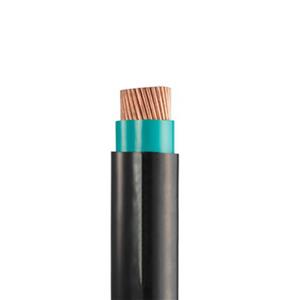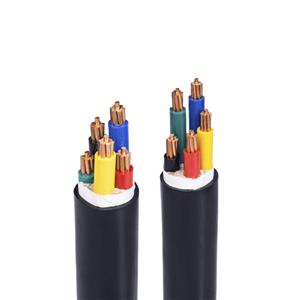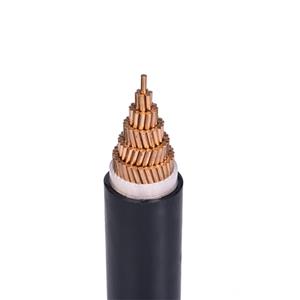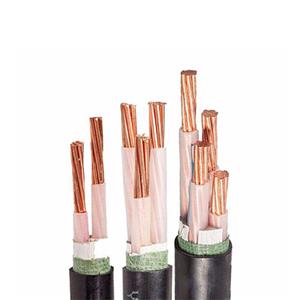
Factory direct supply of aluminum alloy cables
Against the backdrop of the deepening "dual-carbon" strategy, the accelerated construction of new power systems, and the comprehensive upgrading of urban and rural power distribution networks, the power cable industry is undergoing a structural revolution. Traditional copper cables, which have long dominated the market, are facing increasing development bottlenecks due to factors such as volatile raw material prices, high construction costs, and relatively high carbon emissions. In contrast, aluminum alloy cables, with their multiple core advantages including low carbon emissions, energy efficiency, excellent cost-effectiveness, stable performance, and wide applicability, are rapidly penetrating the market and iterating their technology. They are poised to become the preferred cable product for power infrastructure, new energy construction, and municipal renovation projects in 2026, ushering in a new era of lightweight, low-carbon, and cost-effective development for the cable industry.
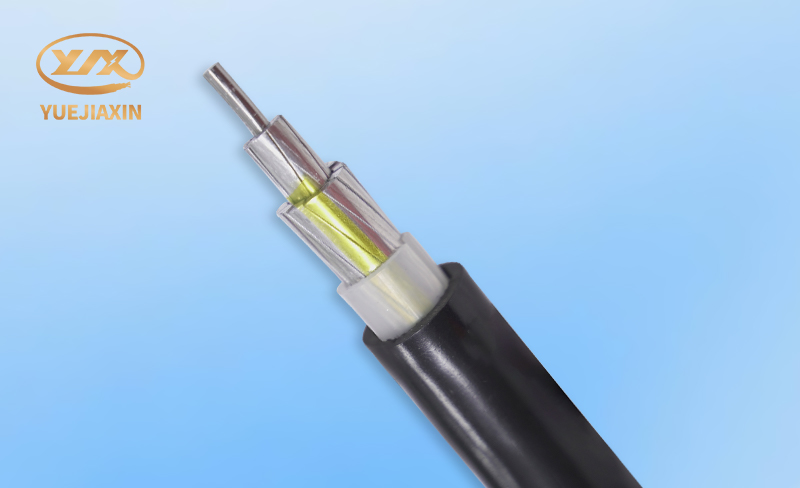
The explosive growth of new energy industries such as photovoltaics, wind power, and energy storage, along with the continuous implementation of infrastructure projects including urban renewal, upgrading of old power grids, rail transit, and industrial park construction, has provided a vast array of application scenarios for aluminum alloy cables. In terms of safety and stability, the improved aluminum alloy cables have significantly upgraded creep resistance, compressive strength, and corrosion resistance. For complex and harsh environments such as coastal salt spray, outdoor ultraviolet radiation, and industrial acid and alkali corrosion, the weather resistance advantage of aluminum alloy cables is particularly prominent, effectively extending cable lifespan, reducing safety hazards such as line faults, power outages, and leakage, and significantly reducing the pressure on power system operation and maintenance. Under the core demands of cost reduction, efficiency improvement, and low-carbon transformation in the infrastructure industry, the core competitiveness of aluminum alloy cables lies in two dimensions: high cost-effectiveness and low-carbon environmental protection, truly achieving value upgrades throughout the entire life cycle. In terms of cost, the price of aluminum alloy raw materials is stable, and the raw material cost for the same specifications is about 35% lower than that of copper cables. Combined with the reduction in transportation, labor, and supporting consumable costs due to lightweighting, the overall engineering construction cost can be reduced by more than 15%. For large-scale cable laying projects such as large-scale photovoltaic and wind power projects, urban power distribution network upgrades, and overall power distribution in industrial parks, the overall cost reduction benefits are considerable. In the construction of new power systems and supporting projects for new energy sources, the use of aluminum alloy cables can effectively reduce the overall carbon emissions of the project, helping it meet green building and low-carbon infrastructure standards, aligning with the national dual-carbon development strategy.
With its stable performance, excellent cost-effectiveness, and outstanding environmental adaptability, aluminum alloy cables achieved full coverage across multiple fields by 2026, becoming the mainstream material for major core scenarios in power infrastructure, and its market application penetration rate continues to rise.
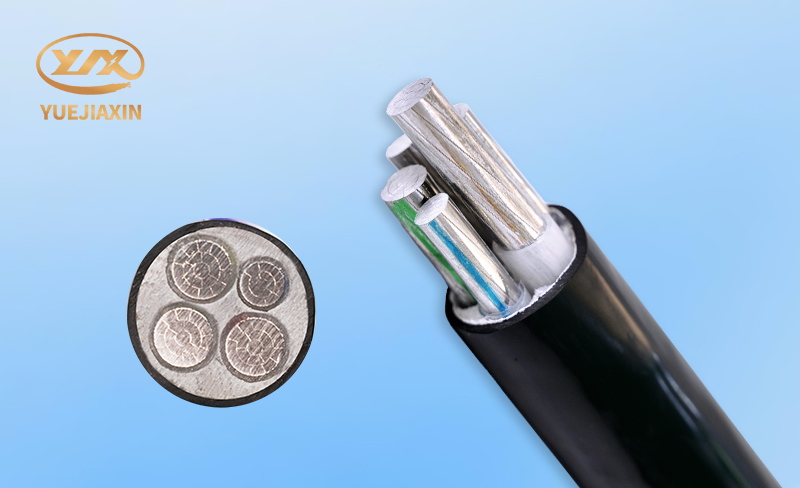
From being heavily criticized to becoming a market mainstream product, from having technological shortcomings to leading in performance, aluminum alloy cables have achieved a remarkable turnaround in the industry thanks to technological iteration, policy support, and value advantages. Under the major trends of improving the quality and reducing costs of power infrastructure and promoting low-carbon transformation, aluminum alloy cables are no longer a "substitute" for traditional copper cables, but rather a "necessity" for green power projects in the new era. In the future, with continuous technological innovation and industry standardization, aluminum alloy cables will continue to penetrate various application scenarios, injecting a continuous stream of new momentum into the construction of new domestic power systems, the achievement of dual-carbon goals, and the high-quality development of infrastructure.