High-Temperature Mineral Cable, Safeguard Project Safety
As the scorching summer heat intensifies and temperatures continue to climb, it is not only we humans who suffer from the discomfort; the various electrical appliances in our homes are also being put to the test by the extreme heat. Electrical wiring—serving as the "blood vessels" of household electricity—bears the critical responsibility of transmitting power. In our daily lives, all our appliances—from lighting and air conditioners to televisions and refrigerators—rely on these wires for their power supply. However, when high temperatures strike, the performance of ordinary electrical wires can be severely compromised. For instance, plastic insulation materials tend to soften when heated, potentially leading to damage to the insulating layer and an increased risk of short circuits.
Ordinary electrical wires are ubiquitous in our daily lives; their insulating layers are typically composed of organic materials such as polyvinyl chloride (PVC) or rubber. Under normal ambient temperatures, these materials perform their insulating function effectively, thereby ensuring the safe and proper operation of the wiring. Yet, in certain specific environments, the inherent "fragility" of ordinary wires becomes particularly evident. Take the kitchen, for example: temperatures near stoves are often elevated, and if ordinary wires are exposed to such conditions over extended periods, their insulation will age at an accelerated rate. Similarly, in industrial facilities, the operation of heavy machinery generates substantial heat; if ordinary wires are unable to withstand these high temperatures, they are prone to failure, which can disrupt production schedules. Consequently, to safeguard electrical safety, there is an urgent need for wiring capable of operating stably under high-temperature conditions—a need that has led to the emergence of high-temperature-resistant mineral-insulated cables.
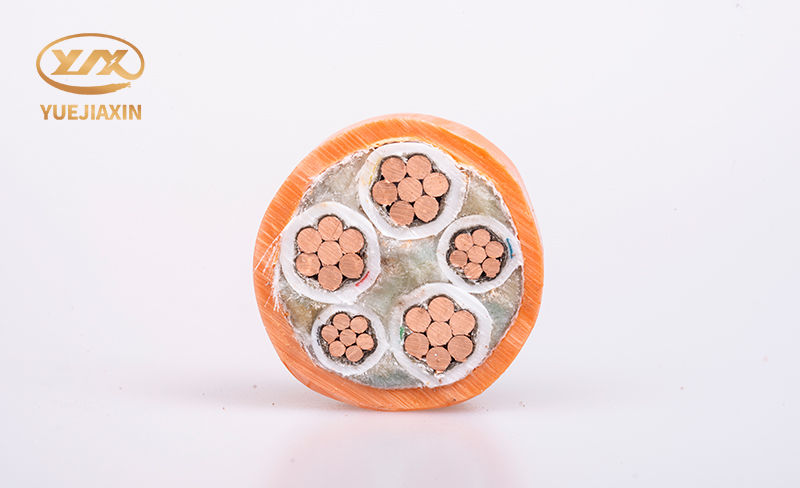
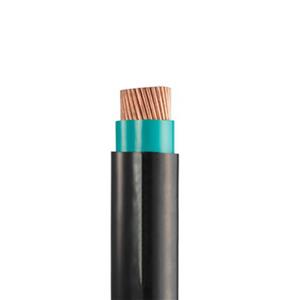
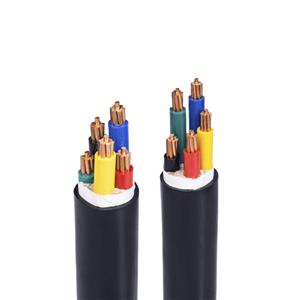
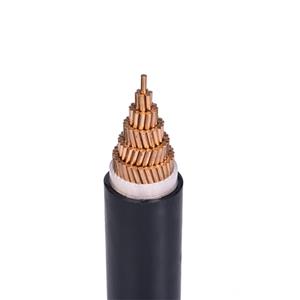
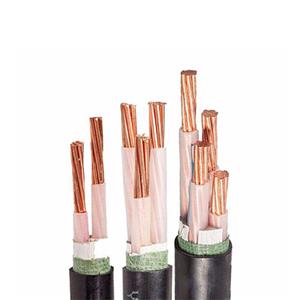
The ability of high-temperature mineral-insulated cables to operate stably in extreme heat environments is largely attributable to their unique structural design. Let us now lift the veil on this remarkable technology. A high-temperature mineral-insulated cable primarily consists of three components: a conductor, an insulation layer, and a sheath. The conductor serves as the core of the cable—much like the blood vessels in the human body—responsible for transmitting electrical current. The conductors in these cables are typically made from high-purity copper or copper alloys. Copper possesses excellent electrical and thermal conductivity, effectively minimizing electrical resistance and reducing energy loss during transmission. Furthermore, copper exhibits relatively stable chemical properties; it resists oxidation in high-temperature environments, thereby ensuring the cable's long-term, stable operation. The insulation layer is the critical element that guarantees the cable's safe operation. While the insulation layers of ordinary cables are prone to failure under high heat, the insulation layer in high-temperature mineral-insulated cables utilizes mineral-based materials—specifically, magnesium oxide (MgO). Magnesium oxide boasts an exceptionally high melting point, enabling it to maintain stable physical and chemical properties in high-temperature environments without softening or melting, unlike conventional insulating materials. Finally, the sheath acts as the cable's "protective shield," providing both mechanical protection and environmental defense for the entire assembly. The sheath of a high-temperature mineral-insulated cable is typically constructed from seamless copper or aluminum tubing, though some variants utilize materials such as stainless steel. These metal sheaths possess immense mechanical strength, allowing them to withstand significant external forces—including compression, tension, and bending—without sustaining damage. It is precisely because of the seamless interplay of these three distinct layers that high-temperature mineral-insulated cables achieve their outstanding thermal resistance and other superior performance characteristics, thereby providing a reliable safeguard for our electrical safety.
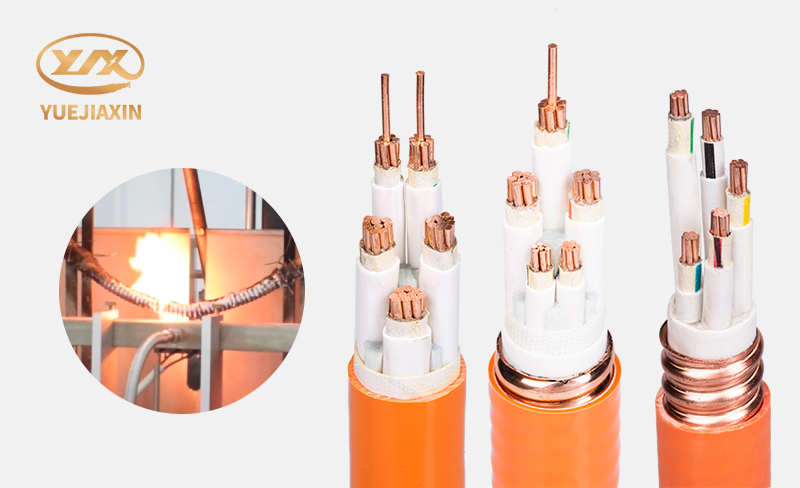
Within the vast realm of electrical applications, high-temperature-resistant mineral-insulated cables stand as a cornerstone for ensuring safety and stability, distinguished by their unparalleled advantages. Far more than just a simple wire, they represent a steadfast commitment to safety—an investment in the future. To choose high-temperature-resistant mineral-insulated cables is to opt for more reliable power assurance, a longer service life, and a living environment that offers true peace of mind.