Fire-resistant & flame-retardant cables, double protection
Within seemingly ordinary electrical systems lies a hidden "guardian" dedicated to safeguarding life and property: fire-resistant and flame-retardant cables. In the event of a fire, ordinary cables may ignite rapidly—becoming accomplices in the spread of flames and releasing copious amounts of toxic smoke that hinder evacuation and firefighting efforts. In contrast, fire-resistant and flame-retardant cables leverage specialized designs and materials to play a critical role at the most crucial moments. Flame-retardant cables prevent the spread of fire, while fire-resistant cables maintain circuit integrity amidst raging infernos, thereby buying precious time for the operation of firefighting equipment and the safe evacuation of personnel.
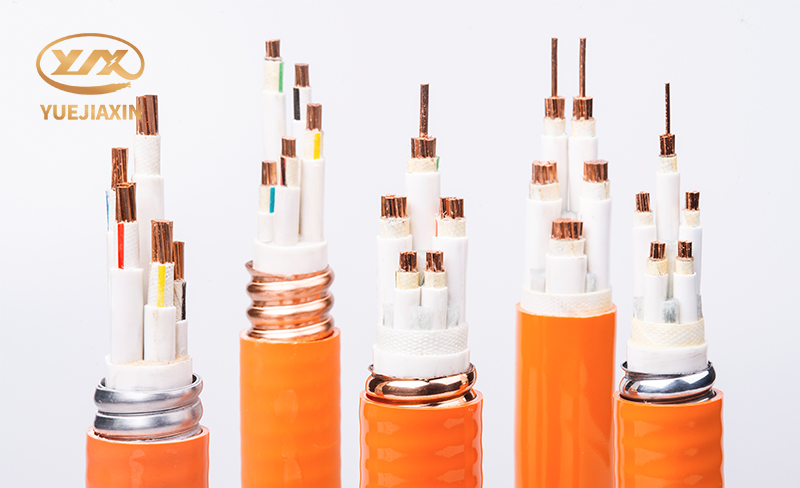
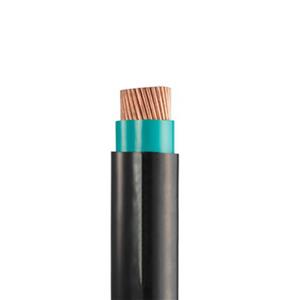
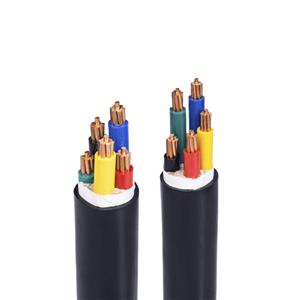
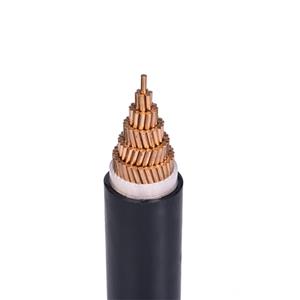
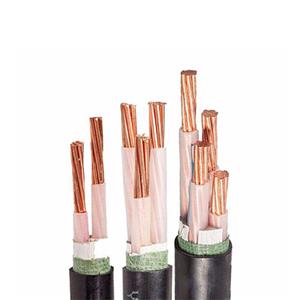
Although both flame-retardant cables and fire-resistant cables are related to fire safety, they serve distinct purposes. Let us take a closer look: the core function of flame-retardant cables lies in "preventing the spread of flames," whereas fire-resistant cables place greater emphasis on "maintaining power supply during a fire." The structural designs and operating principles of flame-retardant and fire-resistant cables also differ. Flame-retardant cables typically consist of a conductor, an insulation layer, a sheath layer, and a filler layer; the insulation and sheath layers are composed of flame-retardant materials that have been treated with flame retardants. Fire-resistant cables feature a relatively more complex structure; in addition to the conductor, insulation, and sheath layers, they incorporate an extra fire-resistant layer—typically formed by wrapping the cable with mica tape. Mica tape is a material characterized by its high-temperature resistance and excellent insulating properties; under high-temperature conditions, it forms a rigid, ceramic-like protective layer that shields the conductor from burning through, thereby ensuring the cable remains operational during a fire. Furthermore, the insulation and sheath layers of fire-resistant cables are also constructed using high-temperature-resistant, low-smoke, and halogen-free materials to minimize the generation of smoke and toxic gases during a fire.
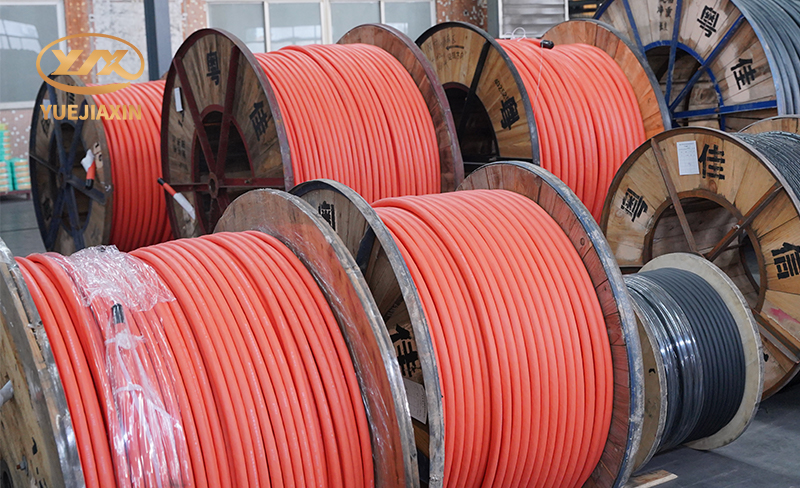
Faced with the dazzling array of fire-resistant and flame-retardant cables available on the market, how does one go about selecting the right "reliable partner" for the job? Here are some practical tips. First, clearly define the intended application scenario. Different locations impose vastly different requirements on cables. In densely populated areas—such as shopping malls, schools, and hospitals—it is essential to select products that offer high safety and robust reliability; this ensures a stable power supply during a fire, thereby gaining critical time for personnel evacuation and firefighting operations. In industrial environments, such as factory workshops, cables must not only be fire-resistant and flame-retardant but also capable of withstanding complex operating conditions, including high temperatures, oil contamination, and chemical corrosion. Second, consult relevant standards and certifications. Legitimate fire-resistant and flame-retardant cables should possess appropriate quality certifications—such as the CCC certification—which serve as a key indicator that the product complies with national standards. Furthermore, consider the cable installation method and environmental requirements. By weighing all these factors, you can select the cable best suited to your specific needs.