Copper core cables, fast conduction & low loss
In modern society, electricity acts like the "blood" flowing through the city's veins, sustaining operations across every sector. From the roaring machinery of factories to the single light illuminating a home, every corner of our lives relies on the support of electricity. Within this vast system of power transmission, there exists a key player that serves with quiet dedication—the copper-core cable—truly the unsung hero of power delivery.
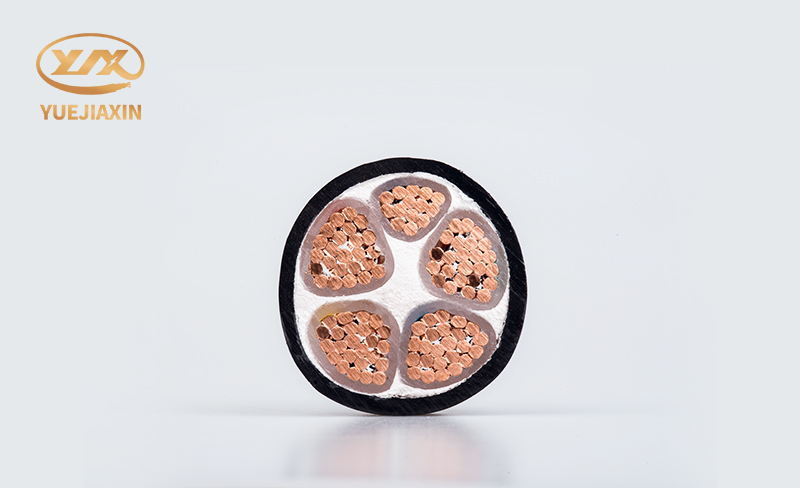
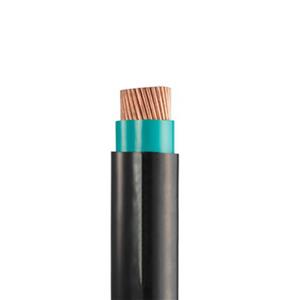
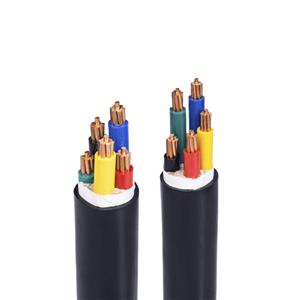
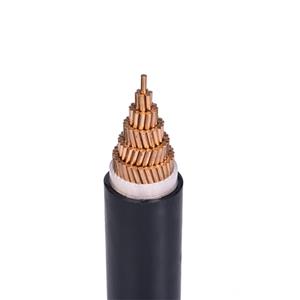
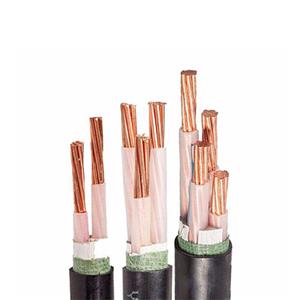
As the name implies, a copper-core cable is a cable that utilizes copper as its conductor. It consists of several integral components working in close coordination: an internal copper conductor, an intermediate insulating layer, and an outer protective sheath. The copper conductor serves as the core of the entire cable; fabricated from high-purity copper material, it is responsible for transmitting electrical energy to various destinations. Furthermore, depending on the requirements of the specific application scenario, the copper conductor may take the form of a single solid strand or multiple strands twisted together. Multi-stranded copper conductors not only enhance the cable's flexibility—facilitating easier bending and routing during installation—but also bolster its tensile strength, ensuring continued functionality and resistance to breakage even when subjected to pulling forces. Encasing the copper conductor is the insulating layer, which serves to isolate the conductor from the external environment, thereby preventing current leakage and averting hazardous situations such as short circuits. Common insulating materials—such as Polyvinyl Chloride (PVC)—possess not only excellent dielectric properties but also robust resistance to aging and heat; this ensures that the cable maintains effective insulation performance over extended periods of use and across a range of operating temperatures. The outermost protective sheath acts as a sturdy "armor" for the cable, primarily tasked with shielding it from mechanical damage while simultaneously guarding against external disturbances, such as electromagnetic interference. Materials commonly used for the sheath—including PVC and Polyethylene (PE)—exhibit superior abrasion resistance, corrosion resistance, and anti-aging properties, thereby significantly extending the cable's overall service life.
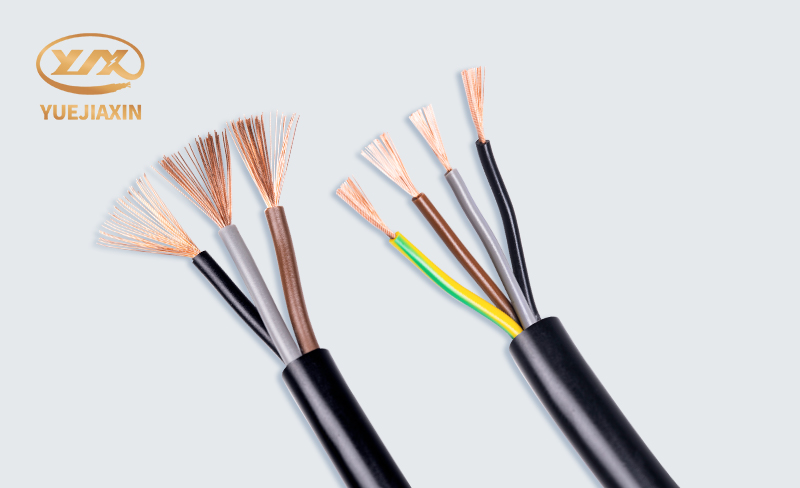
Selecting the appropriate copper-core cable is of paramount importance, as it directly bears upon the safety and stability of power transmission. An incorrect cable choice can lead to line faults, fire hazards, and even compromise the proper functioning of the entire system. As a pivotal component in the realm of power transmission, copper-core cables—distinguished by their exceptional performance—play an indispensable role in every corner of our lives. From the warm illumination of our homes to the efficient operations of factories, and from the bustling activity of commercial buildings to the safe functioning of transportation infrastructure, copper-core cables silently facilitate the transmission of electricity, providing a steadfast foundation for the advancement of modern society.