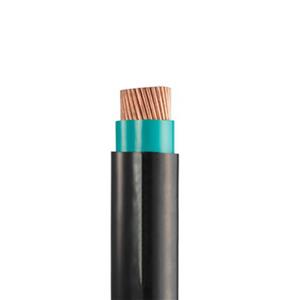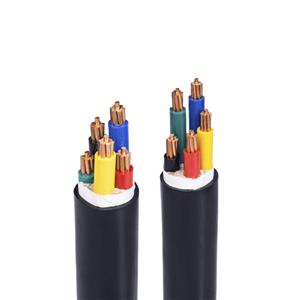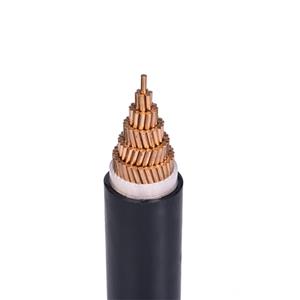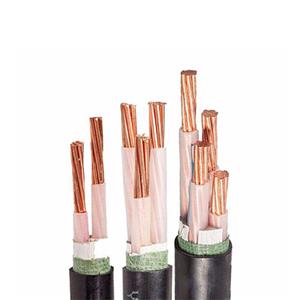
Fire-resistant cables meet high safety power supply requirements.
In our daily lives, we mostly encounter ordinary cables, which silently transmit power to various electrical devices, ensuring the normal operation of our lives. However, when the terrible disaster of a fire suddenly strikes, ordinary cables are often unable to withstand the flames and are quickly destroyed, leading to power outages and causing great difficulties for rescue and evacuation. This is when fire-resistant cables demonstrate their unique advantages.
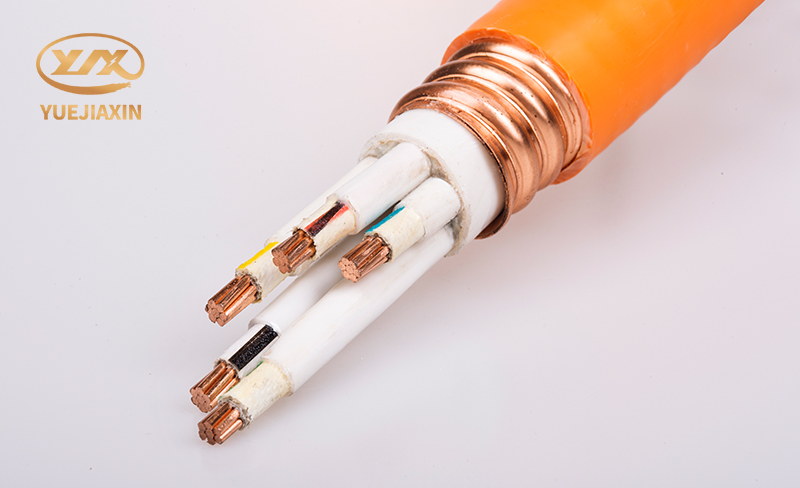
Fire-resistant cables, simply put, are special cables that can maintain normal operation for a certain period of time and preserve the integrity of the circuit even when exposed to flames. They act like brave "frontline fighters," steadfastly maintaining their position and providing continuous power to critical equipment when flames rage. Structurally, ordinary cables generally consist of a conductor, insulation layer, filler, and outer sheath. Fire-resistant cables, in addition to these basic components, have an important fire-resistant layer and fire-resistant strip. The fire-resistant layer is usually composed of inorganic mineral materials, effectively blocking flame penetration; the fire-resistant strip tightly wraps around the conductor surface, preventing direct flame damage and providing reliable protection. This makes fire-resistant cables vastly different in performance from ordinary cables. Ordinary cables are easily damaged by flames during a fire, causing an instantaneous interruption of power or signal transmission. Fire-resistant cables, however, can continue to supply power for a period of time under specific flame conditions, ensuring the continuity of power or signal transmission and safeguarding life and property. The special structure of fire-resistant cables is indispensable in their ability to remain operational during a fire. Fire-resistant cables, compared to ordinary cables, feature a crucial additional fire-resistant layer. This layer is typically composed of multiple layers of tightly wound mica tape. Mica tape possesses excellent high-temperature resistance, remaining stable even at temperatures exceeding 1000°C, without easily melting or decomposing, providing reliable fire protection for the cable. In addition to the fire-resistant layer, fire-resistant cables generally use high-purity oxygen-free copper or tin-plated copper as conductors. These high-quality conductors not only have excellent conductivity, ensuring efficient power transmission, but also exhibit relatively stable physical and chemical properties at high temperatures, resisting oxidation or deformation, thus guaranteeing normal cable operation during a fire. Furthermore, the insulation layer and outer sheath of fire-resistant cables are also meticulously designed. The insulation layer uses high-temperature resistant, non-flammable materials such as cross-linked polyethylene (XLPE) or ceramicized silicone rubber, further enhancing the cable's fire resistance and electrical insulation performance. The outer sheath uses low-smoke, halogen-free flame-retardant materials, effectively preventing the spread of flames and reducing the generation of smoke and toxic gases during a fire, creating favorable conditions for evacuation and rescue. When a fire occurs, the high temperature of the flames will gradually damage other parts of the cable, but mica tape can quickly form a hard, ceramic-like protective film under high temperatures. This protective film tightly wraps around the conductor, like an indestructible defense line, isolating it from flames and oxygen, preventing the conductor from burning, and thus maintaining the cable's normal power-carrying function.
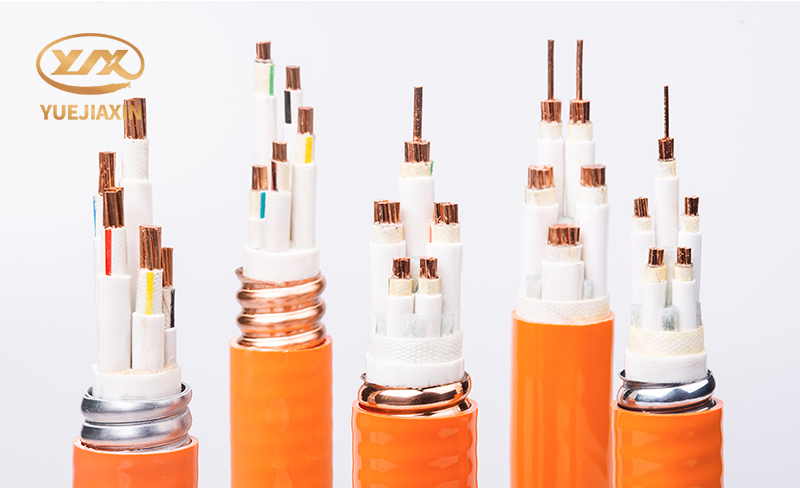
Besides mica tape, other materials used in fire-resistant cables also contribute significantly to their fire-resistant performance. For example, the cross-linked polyethylene insulation material mentioned earlier possesses excellent heat resistance and mechanical properties, remaining stable at high temperatures and resistant to deformation or melting. The low-smoke, halogen-free, flame-retardant outer sheath material ensures the cable's flame-retardant performance while reducing harm to the environment and human health. These materials work together to create fire-resistant cables with superior fire resistance. In many important locations and fields, fire-resistant cables play an irreplaceable and crucial role, becoming a vital "lifeline" for ensuring safety and normal operation. As an important line of defense for electrical safety, fire-resistant cables shoulder the heavy responsibility of protecting lives and property in critical moments.