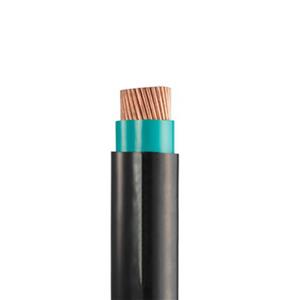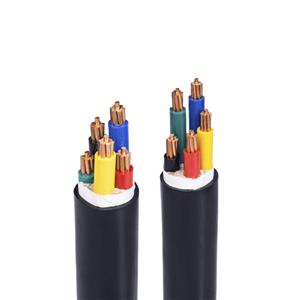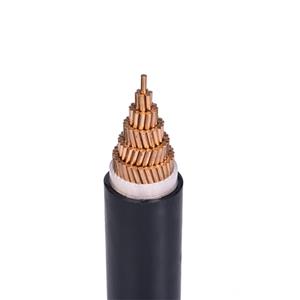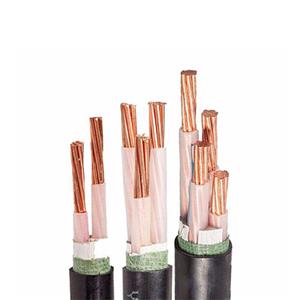
Fire-resistant cables are promoted in high-rise buildings to strengthen the emergency power supply line in fire situations.
In modern life, electrical fires are frequent, posing a significant threat to life and property. Once a fire breaks out, ordinary cables rapidly fail under high temperatures, leading to extremely serious consequences. Under temperatures of 600℃, ordinary cables can only withstand the heat for 15 minutes before ceasing operation. This brief period is often the critical moment for survival. Once ordinary cables lose power, the entire building's fire protection system is paralyzed. Fire pumps cannot start, failing to provide sufficient water for firefighting; smoke extraction systems stop functioning, preventing the removal of toxic fumes, which quickly fill the entire space. Emergency lighting also goes out, plunging escape routes into darkness. Familiar paths become unfamiliar and dangerous, making it difficult for people to find their way in the chaos, and the hope of escape becomes slim.
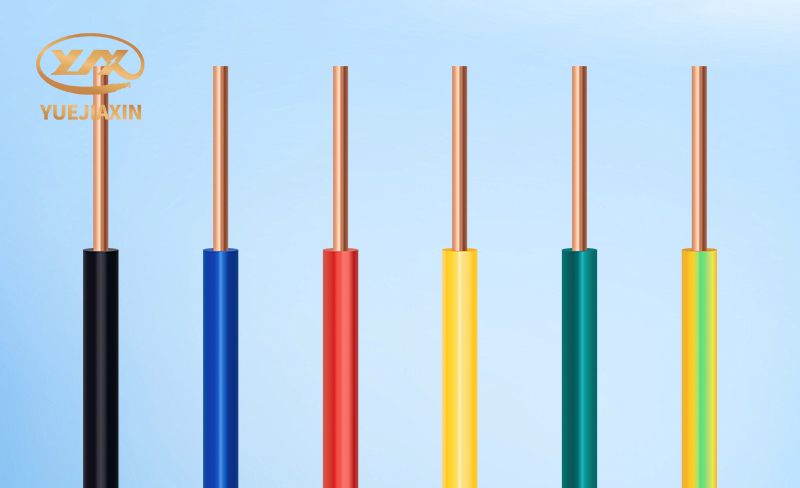
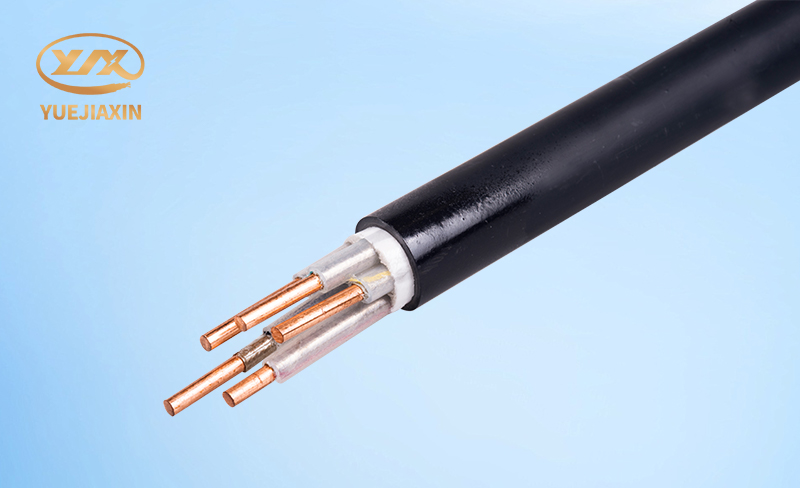
Faced with such a severe fire situation, fire-resistant cables emerged as a beacon of hope in the darkness, bringing life to people amidst the flames and earning the title of "lifeline of electricity in fire scenes." Fire-resistant cables differ fundamentally from ordinary cables. They employ double-layer mica tape wrapping, a special wrapping method that acts like a sturdy armor, effectively blocking the invasion of flames. Simultaneously, they utilize inorganic insulation materials, which are high-temperature resistant and non-combustible, maintaining excellent insulation performance even in high-temperature environments, ensuring stable current transmission. Thanks to these unique designs and materials, fire-resistant cables can continuously supply power for over 90 minutes in flames ranging from 750 to 1000°C. During these precious 90 minutes, fire-fighting equipment can operate normally, fire pumps can continuously provide fire-fighting water, and smoke extraction systems can promptly remove toxic fumes, creating favorable conditions for rescue operations. Emergency lighting can also remain on, guiding people in the escape route and enabling safe and orderly evacuation.
Traditional cables release large amounts of toxic gases, such as hydrogen halides, when burning. These gases not only pose serious health risks but also pollute the environment. Fire-resistant cables, however, utilize low-smoke halogen-free technology, achieving a smoke density of ≤75 and a toxicity index of <60 during combustion. This effectively avoids secondary harm caused by the toxic gases released from burning traditional cables. In the event of a fire, the low-smoke halogen-free characteristic maintains relatively clear visibility, facilitating evacuation and fire rescue. For densely populated areas, the low-smoke halogen-free technology of fire-resistant cables is particularly important, as it ensures power transmission while minimizing the harm to people and the environment. The outer sheath of fire-resistant cables uses flame-retardant materials that automatically form a carbonized layer upon contact with a fire. This carbonized layer acts like a sturdy shield, effectively blocking the spread of flames and slowing the rate of fire's development.
In the event of a fire, every extra minute that fire-resistant cables hold is a "golden window" for escape. From high-rise buildings to industrial plants, from subway tracks to data centers, they use cutting-edge technology to build the last line of defense for electrical safety. Choosing fire-resistant cables is not about increasing costs, but about providing "super insurance" for life and property.