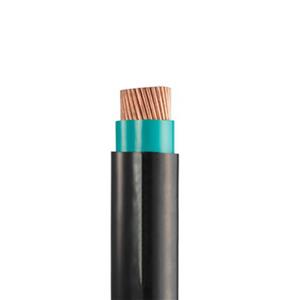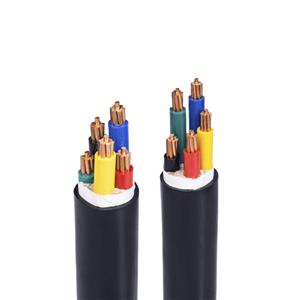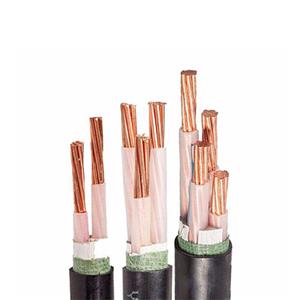
BV/BVR wires are used in residential construction to ensure residents' electricity safety.
In the world of electrical wires, BV wire and BVR wire are like two very different "players." Although both are responsible for transmitting electricity, they differ significantly in several aspects. Next, we'll analyze their differences comprehensively from key dimensions such as structure, performance, and price.
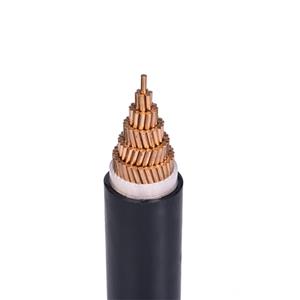
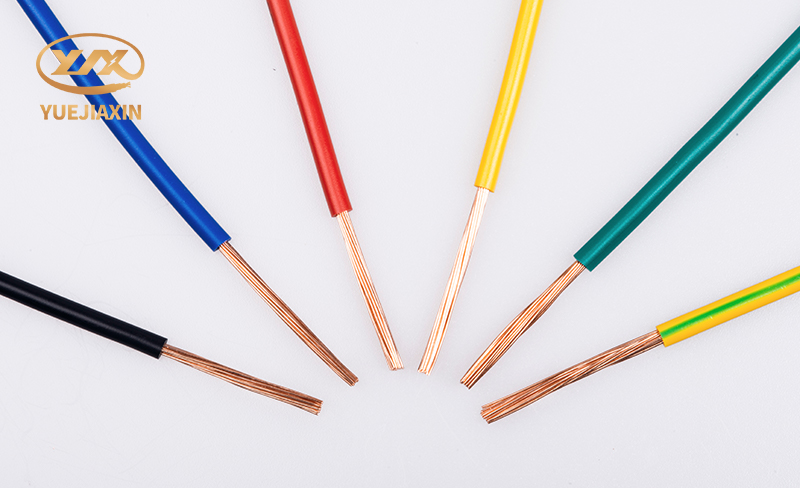
BV wire, scientifically known as copper core PVC insulated wire, is a single-strand solid copper core. Its relatively rigid texture gives it high mechanical strength and wear resistance, making it stable once fixed in place during wiring. BVR wire, on the other hand, is a copper core PVC insulated flexible wire. It is made of multiple strands of fine copper wire, offering high flexibility and allowing for easy bending. In terms of conductivity, the single-strand copper core of BV wire provides a relatively concentrated current path, resulting in high conductivity and stability under high temperature and high load conditions. The multi-strand structure of BVR wire allows for more dispersed current transmission, offering slightly better heat dissipation. Regarding durability, BV wire, being a single strand, has strong oxidation resistance and a lifespan of over 30 years under normal use. Because of its multi-strand fine copper wires, BVR cable is prone to oxidation under prolonged bending, especially at the joints, requiring careful maintenance. Due to the more complex multi-strand twisting process, BVR cable demands higher production equipment and technical expertise, thus its price is generally higher than that of BV cable of the same specifications. If the budget is limited and the wiring locations are fixed, BV cable is an economical choice; however, if flexibility in wiring is prioritized and a slightly higher cost for easier installation is acceptable, BVR cable is more suitable.
Having understood the differences between BV and BVR wires, how should we choose in practical applications? Next, we'll detail their applicability in different scenarios.
Home renovation is one of the scenarios where we encounter electrical wires most frequently in our daily lives. Different wiring needs require us to choose BV and BVR wires appropriately. For fixed wiring such as concealed installation in walls and conduits in ceilings, BV wire is a good choice. On one hand, its single-strand structure makes it less prone to jamming during conduit installation, making construction smoother and greatly improving the efficiency of the renovation workers. On the other hand, BV wire is relatively inexpensive, making it a cost-effective choice if your renovation budget is limited. Furthermore, it is durable and doesn't age too quickly even after long-term use. However, BVR wire comes in handy when doing jumpers in distribution boxes, complex wiring for chandeliers, and connecting high-power appliances such as air conditioners and kitchen ovens. Wiring connections within distribution boxes often require multiple bends in the wires; the flexibility of BVR wire makes wiring much easier and reduces the risk of breakage. High-power electrical appliances generate a lot of heat when they are running. The excellent heat dissipation performance provided by the multi-strand structure of BVR wire can effectively ensure electrical safety and allow the appliances to operate stably.
There is no absolute good or bad between BV wires and BVR wires. The key is to match the scenario: choose BV wires for fixed cabling and BVR wires for flexible and complex cabling. It is important to balance budget and security.