Differences Between Steel Wire Armored and Aluminum Wire Armored Cables
In sectors such as power engineering, municipal infrastructure, industrial power distribution, and building electrical construction, armored cables have become a key material for complex applications—including direct burial, overhead installation, and direct equipment connection—thanks to their superior mechanical protection. In daily construction practice, the two most common types encountered are Steel Wire Armored (SWA) and Aluminum Wire Armored (AWA) cables. While many assume the only difference lies in the armoring material and that their functions are essentially the same, these two types actually differ fundamentally in magnetic characteristics, mechanical properties, cable structure compatibility, application scenarios, service life, and installation costs. Selecting the wrong type can lead to serious issues such as cable overheating, soaring energy consumption, accelerated insulation aging, and even short-circuit breakdowns or the need for costly rework.
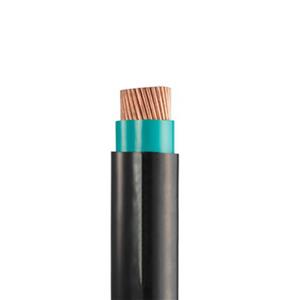
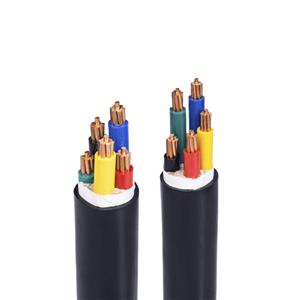
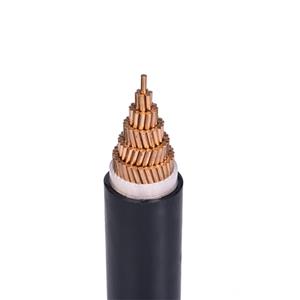
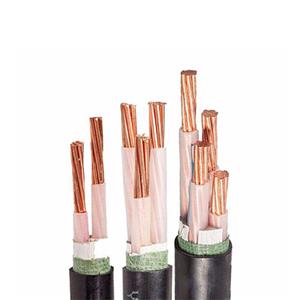
The core design principle of armored cables involves wrapping a metal armor layer around the cable's insulation and bedding layers, topped with an outer sheath; this structure resists physical damage—such as crushing, stretching, impact, and rodent gnawing—thereby ensuring long-term, stable operation. While SWA and AWA cables share the same basic structural layout, their key differences lie in the armoring material and physical properties. SWA cables utilize hot-dip galvanized steel wire, tightly helically wound over the inner bedding and protected by an anti-corrosive outer sheath (such as PVC or PE). Galvanized steel wire offers high hardness and rigidity, providing maximum mechanical protection; it is the standard armoring method for traditional multi-core power cables and is widely used in heavy-duty applications subject to significant external mechanical stress. AWA cables replace steel wire with high-purity aluminum wire for the armor layer, employing the same helical winding process. Aluminum wire is lighter and—crucially—non-magnetic, effectively eliminating eddy current losses caused by alternating magnetic fields, making it the ideal armoring choice for high-voltage single-core cables.
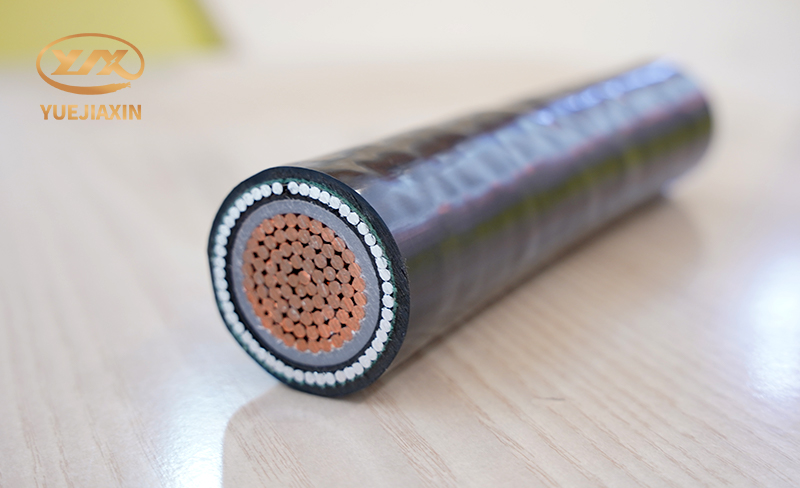
The differences between these two types of cables go beyond mere material composition; they represent a comprehensive divergence in magnetic properties, mechanical performance, application suitability, installation costs, and corrosion resistance—factors that serve as the primary basis for engineering selection. Steel wire is a ferromagnetic material with high magnetic permeability. When alternating current (AC) flows through the cable conductor, it generates an alternating magnetic field; if a single-core cable utilizes steel wire armor, this field induces eddy currents within the armor layer. These eddy currents generate continuous heat, causing a sharp rise in the temperature of the armor and insulation layers. This not only significantly increases energy consumption and voltage loss but also accelerates the aging and cracking of insulation materials; prolonged operation under these conditions creates serious safety risks, such as cable breakdown, current leakage, and fire. In contrast, aluminum wire is non-magnetic and is not magnetized by alternating magnetic fields, thereby fundamentally eliminating issues related to eddy current heating and magnetic losses. Consequently, industry standards strictly prohibit the use of steel wire armor for single-core AC high-voltage cables, mandating the use of aluminum wire armor instead—a requirement that underscores the irreplaceable value of aluminum-armored cables.
Regarding physical protection, steel wire armor holds a distinct advantage. Galvanized steel wire offers tensile strength, compressive strength, and impact resistance far superior to those of aluminum wire. It can withstand the weight of heavy vehicles, the pressure of earthworks, and mechanical impacts, making it ideal for demanding environments—such as deep underground burial, heavy-load roadways, and areas surrounding heavy industrial equipment—where it effectively resists severe mechanical damage. While aluminum wire armor offers moderate mechanical strength, its compressive and tensile capabilities are lower than those of steel wire, rendering it unsuitable for heavy-load crushing or high-impact forces. However, for standard applications—including outdoor laying, overhead installation, indoor cable trays, and routine underground burial—its protective performance fully meets operational requirements, providing sufficient resistance against common hazards such as daily abrasion, minor impacts, and damage from insects or rodents.
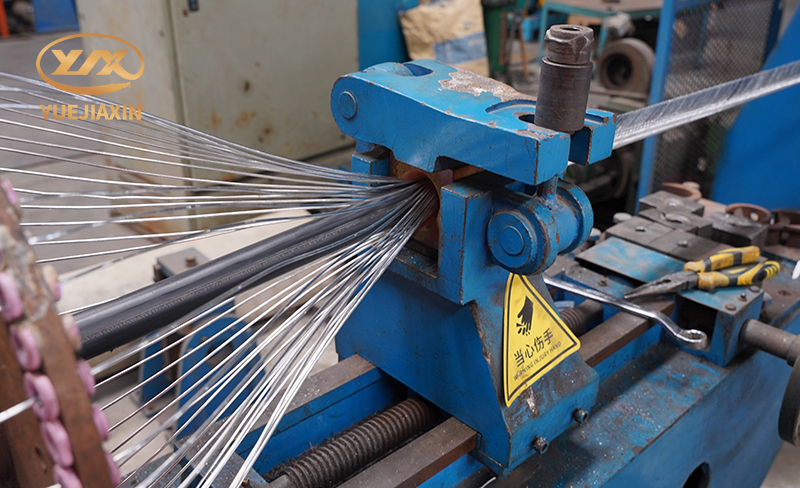
Selecting the right cable armor may seem like a minor detail, but it is actually crucial for the safe and stable operation of power engineering projects. There is no absolute superiority of steel wire armor over aluminum wire armor—or vice versa; it is simply a matter of suitability for the specific application. Precisely matching the armor type to operating conditions and avoiding common selection pitfalls allows for the control of project costs while ensuring the long-term, safe, efficient, and stable operation of power lines, thereby minimizing issues such as line failures and the need for rework or repairs at the source.