Dedicated for New Energy Vehicle Charging Piles: The High-Efficiency Transmission Method of Copper Core Cables
With new energy vehicles becoming increasingly popular, charging piles have become an indispensable part of our lives. The stable and efficient operation of charging piles relies on a crucial component – the charging pile cable. Like the "blood vessels" of the charging pile, it bears the heavy responsibility of transmitting electrical energy, and its quality and performance directly affect charging safety and efficiency. If the cable malfunctions, it can lead to anything from charging interruptions to serious safety accidents. Therefore, choosing the right charging pile cable is crucial. Among the many types of cables available, YJV cables, with their unique advantages, have become the ideal choice for charging pile cables.
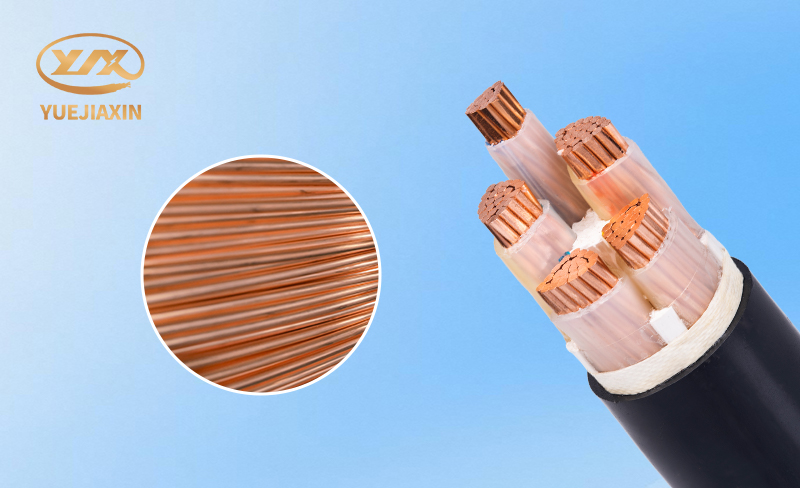
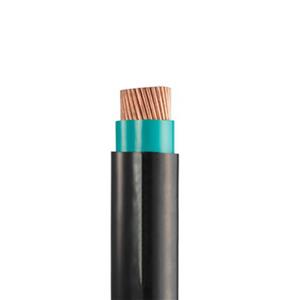
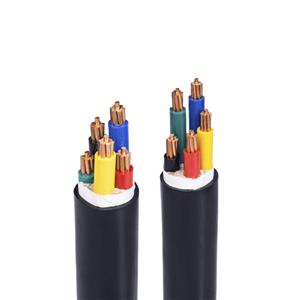
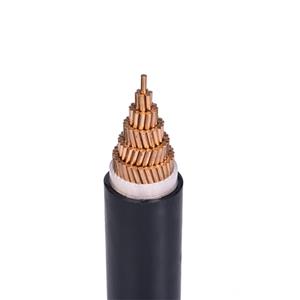
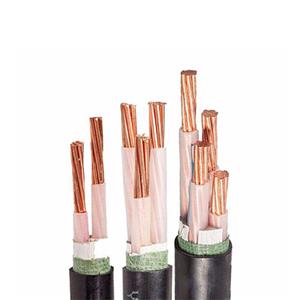
YJV cable, short for Cross-linked Polyethylene Insulated Polyvinyl Chloride Sheathed Power Cable, is primarily composed of three parts from the inside out. The innermost part is the conductor, usually made of high-purity copper or aluminum, which acts like a road, providing a smooth channel for current flow. For example, copper conductors have excellent conductivity, significantly reducing energy loss during transmission, much like a highway allows vehicles to travel quickly and reduces travel time. The middle layer is the cross-linked polyethylene insulation layer, which is the key component of the YJV cable. Cross-linked polyethylene is not ordinary polyethylene; it is transformed from a linear molecular structure to a three-dimensional network structure through chemical or physical methods, significantly improving the thermomechanical properties of polyethylene while maintaining excellent electrical properties. The outermost polyvinyl chloride sheath acts like a sturdy armor for the cable. Polyvinyl chloride (PVC) material has excellent mechanical properties and corrosion resistance. Whether facing wind and rain, sun exposure, or harsh environments with chemical corrosion, it provides reliable protection for the cable and extends its service life. YJV cables have excellent electrical performance, capable of withstanding high voltages and currents, effectively ensuring the stability and safety of power transmission. Its high insulation resistance and good dielectric properties reduce signal interference, ensuring efficient and stable power transmission and preventing voltage fluctuations and current instability that could lead to abnormal charging. In terms of thermal stability, the cross-linked polyethylene insulation material performs exceptionally well, maintaining stable insulation performance in high-temperature environments and resisting aging or deterioration. When charging piles are in operation, the cable heats up due to current flow. The maximum rated operating temperature of the YJV cable conductor can reach 90℃, which is higher than many ordinary cables. Even in hot summers or during prolonged continuous charging, it can operate normally without affecting insulation performance due to temperature increases, significantly reducing safety hazards. From a mechanical performance perspective, YJV cables also perform well, able to withstand a certain amount of tension and pressure without easily being damaged. During cable installation, the cables are inevitably subjected to external forces such as pulling and compression. YJV cables can withstand a certain degree of these mechanical stresses, ensuring their structural integrity and maintaining normal power transmission functions, thus guaranteeing the smooth installation and stable operation of charging stations.
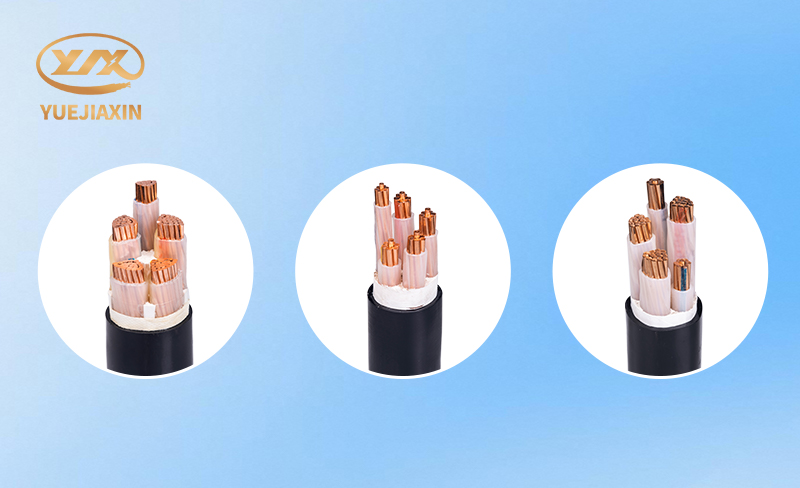
YJV cables, with their numerous advantages such as high current carrying capacity, heat resistance, high temperature resistance, strong mechanical strength, and excellent weather resistance, are an ideal choice for charging station cables. They not only ensure fast and safe charging for electric vehicles but also adapt to various complex installation and usage environments, ensuring the long-term stable operation of charging stations. When selecting YJV cables, it is crucial to accurately match the wire diameter to the charging station's power and installation distance, while also considering the cable's material and characteristics to ensure suitability for different environments. During installation and use, it is also important to follow relevant precautions and perform regular inspections and maintenance to extend the cable's lifespan.