Choose this type of home decoration wire, safe and durable
Electrical wiring embedded within walls, floors, and ceilings serves as the "invisible lifeline" of a home's electrical system. As a concealed installation—embedded once during renovation and rarely replaced thereafter—the quality of the wiring is directly linked to household safety. Many homeowners prioritize aesthetics over hidden infrastructure, opting for cheap, off-brand wiring to cut costs, unaware that they are sowing the seeds for serious hazards such as short circuits, electrical leakage, and fires. Should the wiring age or fail later on, the only remedy is to tear down walls and dismantle surfaces for repairs—a process that consumes far more time, money, and effort.
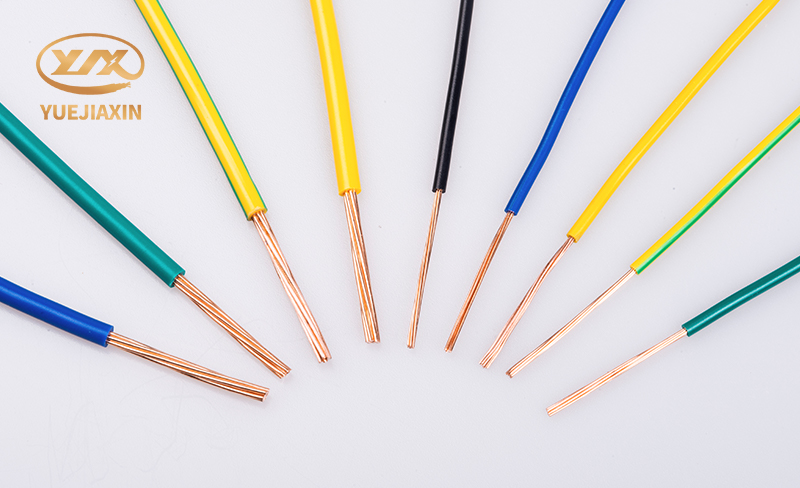
In the home renovation materials market, the prices of electrical wiring vary widely; while low-cost cables attract many consumers due to their affordability, the hidden risks are far greater than imagined. Substandard wires on the market often suffer from serious corner-cutting. First, instead of using national-standard oxygen-free copper for conductors, they utilize inferior materials like recycled scrap copper or copper-clad aluminum; these cores contain high levels of impurities and low purity, resulting in significantly reduced electrical conductivity. Second, the insulation sheaths are made from recycled waste plastic, leading to uneven thickness, off-center cores, poor toughness, and inadequate sealing. Furthermore, off-brand wires frequently feature exaggerated specifications, shorted lengths, and a lack of proper certification. Wires labeled as 2.5mm² or 4mm² often fail to meet actual cross-sectional area standards, making them unable to handle the corresponding electrical loads and prone to circuit overloads; additionally, the actual length of the coil is often shorter than stated, requiring extra purchases during installation and driving up renovation costs. Most critically, these wires lack mandatory national CCC certification and have not undergone professional testing for voltage resistance, flame retardancy, or aging; they completely fail to meet residential electrical standards. While they may seem to save a few hundred yuan in material costs, they essentially plant a "ticking time bomb" for the household's safety over the coming decades. Home wiring must match a home's lifespan of around 50 years, so material selection allows for no compromise; only high-quality, national-standard wire can eliminate electrical risks at the source.
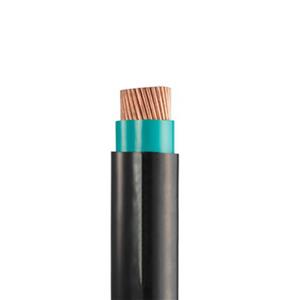
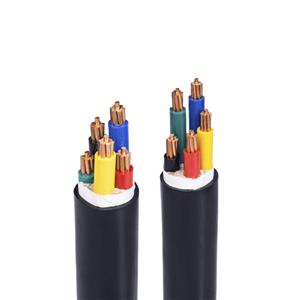
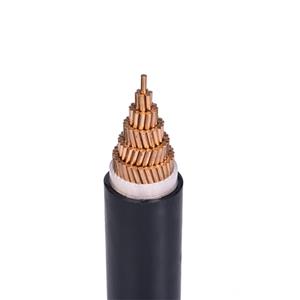
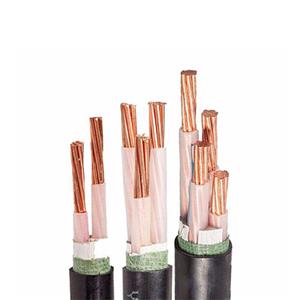
Yuejiaxin Wire & Cable Company has been deeply rooted in the cable industry for over 20 years, focusing consistently on wire and cable production. Our national-standard wires designed for home renovation strictly adhere to national manufacturing standards, with rigorous controls at every stage—from raw material selection to production processes. Balancing conductivity, safety, and durability, they are perfectly suited for the complex wiring requirements of home renovation projects, making them the ideal choice for electrical and plumbing installations. A wire's core quality depends on its copper conductor; our product utilizes carefully selected high-purity electrolytic oxygen-free copper. With a purity of 99.99%, the core features a bright, reddish-purple luster and a dense, flexible texture free from impurities or oxidation-induced blackening. It resists breakage and deformation during repeated bending, ensuring more stable conductivity and lower line loss.
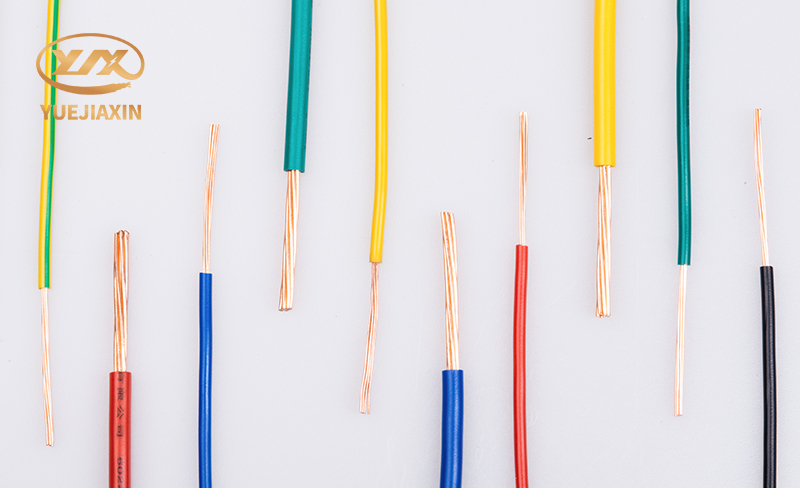
Many homeowners are unfamiliar with how to select electrical wires and can easily be misled by sellers. Here, a direct cable manufacturer shares a few practical, easy-to-apply tips to help you avoid common pitfalls and confidently choose reliable, high-quality wire. First, check for certifications and markings: prioritize products that bear the CCC certification and national standard (GB) marks, and feature clear printing and complete product information; reject any wire that lacks proper identification, has blurry text, or comes without standard packaging. Second, perform a simple quality test: strip back the insulation to inspect the copper core—high-quality oxygen-free copper appears bright purplish-red and is free of blackening or impurities; additionally, the outer sheath should show no white stress marks or cracking when repeatedly bent.