How to choose aluminum core cables
Business owners who have purchased wire and cable know the trade-off: copper conductors offer stability, while aluminum conductors save money. However, many hesitate to use aluminum cables, fearing issues like overheating, circuit trips, and safety hazards, or worrying that selecting the wrong type or cross-section will lead to frequent problems, costly rework, and financial loss. In reality, aluminum cables are not "inferior products"; when the right application, type, cross-section, and installation method are chosen, they offer far superior cost-effectiveness compared to copper and can fully meet the electrical requirements of most projects.
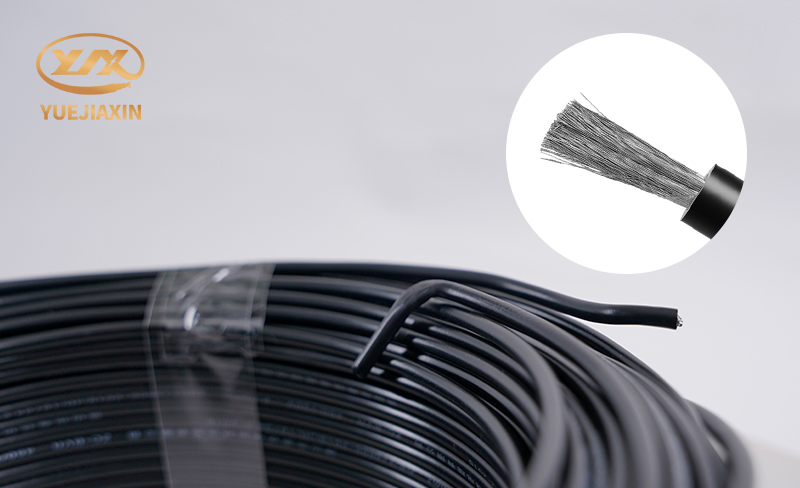
Many people get hung up on the choice between copper and aluminum without fully understanding the appropriate use cases for each. Neither type is inherently superior; it is simply a matter of suitability. For long-distance outdoor power transmission, main lines in industrial complexes, and rural grid upgrades—where lines are long and material volume is high—aluminum conductors offer significant cost savings due to their lighter weight and lower price. Aluminum is also more cost-effective for temporary construction sites and temporary wiring; the material can be recycled after the project, avoiding the high upfront cost of copper. For large-cross-section, high-current main lines, aluminum allows for a larger conductor cross-section within the same budget, providing greater current-carrying headroom and superior heat dissipation. In standard environments—such as dry, well-ventilated areas, outdoor overhead lines, or direct-buried installations—aluminum performs reliably, resists oxidation, and ensures a long service life. However, aluminum is not recommended for certain applications: indoor residential wiring or power supplies for precision equipment require high stability and minimal current fluctuation, making copper the safer, preferred choice. In environments characterized by high humidity, corrosiveness, or high temperatures in confined spaces, aluminum is prone to oxidation and connection-point overheating, leading to a significantly higher failure rate. Similarly, for equipment terminals, systems involving frequent start-stop cycles, or low-current precision circuits—where there are many connections and unstable currents—aluminum is highly susceptible to poor contact and overheating issues. In summary: choose aluminum for long distances, large-scale projects, main lines, and temporary power needs to save money and reduce hassle; prioritize copper for short distances, residential use, precision loads, and humid environments.
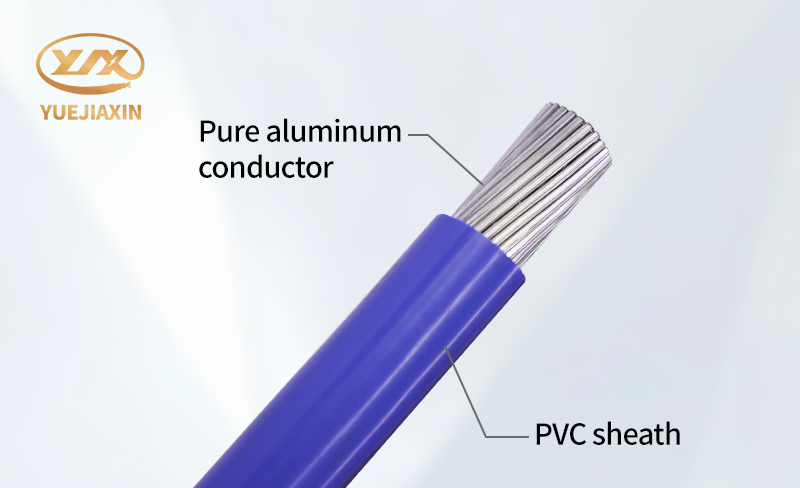
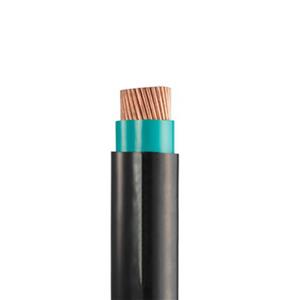
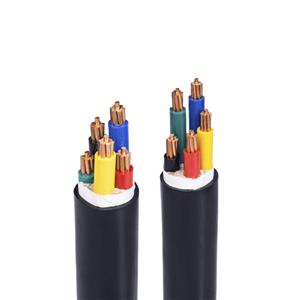
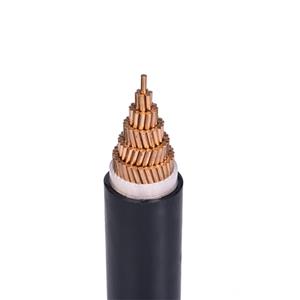
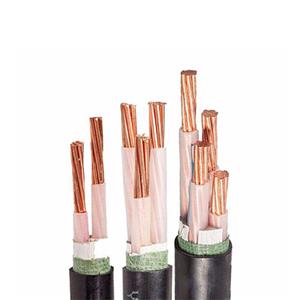
There is a wide variety of aluminum-core cable models on the market, but there is no need for rote memorization; simply selecting the right type based on the installation environment ensures accuracy and ease. The letter "L" in the model designation indicates an aluminum core; for instance, the aluminum-core counterpart to the copper YJV cable is the YJLV. The YJLV aluminum-core cross-linked cable (the most common type) features cross-linked polyethylene insulation, offering high heat resistance, excellent insulation properties, and resistance to aging. Suitable for indoor cable trays and conduits, outdoor overhead installations, and fixed wiring in general industrial areas—and appropriate for both dry and wet environments—it is the mainstream choice for engineering projects and meets the needs of the vast majority of standard applications.
Many people harbor a bias against aluminum-core cables, believing they are "less safe than copper." In reality, for long-distance transmission, high-current applications, backbone infrastructure, and temporary power setups, compliant aluminum-core cables—when properly selected and installed according to standards—offer fully adequate safety and stability. Moreover, they significantly reduce project costs, delivering exceptional value. The real danger lies not in the aluminum cables themselves, but in improper model selection, undersized cross-sections, substandard installation practices, and the purchase of non-compliant products.