Which type of flexible multi-strand cable to choose
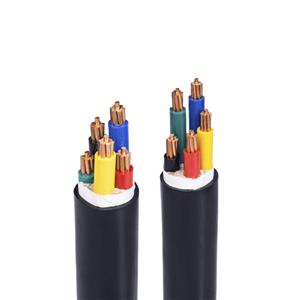
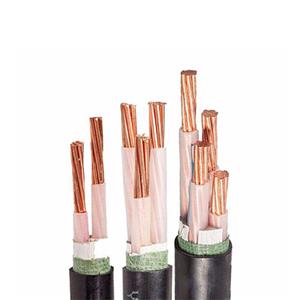
When dealing with electrical wiring, equipment integration, and the installation of automated production lines, procurement specialists, electricians, and engineers often face a dilemma: cables labeled as "flexible" can behave very differently. Some are easy to bend during conduit installation yet suffer internal copper wire breakage after just a few months of frequent use; others remain stable even after undergoing a million cycles of reciprocating motion in a cable carrier; while some perform well in standard environments but rapidly age and crack upon exposure to oil or high temperatures. The fundamental difference between flexible multi-strand cables and conventional single-strand rigid cables lies in the conductor design—specifically, the use of a stranded structure made of ultra-fine copper wires—which provides the excellent flexibility needed for routing in tight spaces and for applications involving dynamic movement.
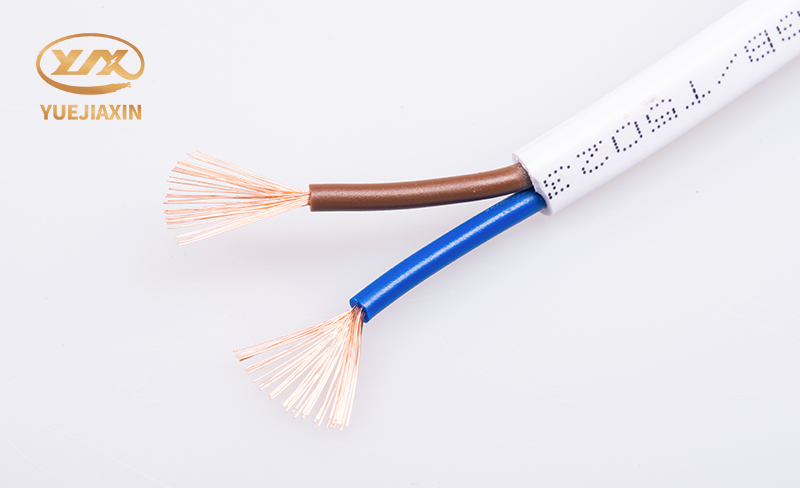
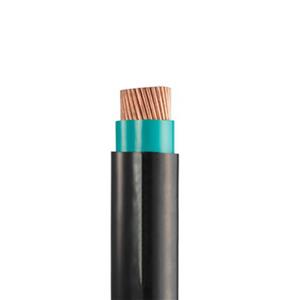
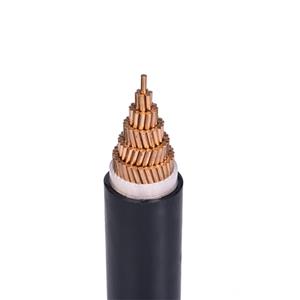
Conductor structure determines the upper limit of flexibility. Single-core rigid cables (BV type) feature a solid, single-strand copper conductor; their stable structure resists deformation, making them ideal for static installations such as embedding within walls or fixed routing. In contrast, flexible multi-strand cables are composed of dozens or even hundreds of fine, high-purity oxygen-free copper wires precisely stranded together. A higher number of strands and finer individual wire diameters result in superior bending performance, allowing the cable to withstand repeated bending and twisting—the fundamental reason it is suited for dynamic applications.
Flexible multi-strand cables offer several advantages: their flexibility simplifies installation in tight spaces—such as cramped ceiling voids, conduit corners, or dense internal equipment wiring—and improves ease of routing through conduits. They can continuously deform to match the movement of equipment, ensuring that power tool cables, servo interconnects, and automation trailing cables do not break due to pulling or bending. Additionally, the multi-strand design provides a larger total surface area for heat dissipation, resulting in better thermal performance during short-term overloads compared to single-core cables of the same cross-sectional area. However, there are trade-offs: if cold-pressed terminals are not used during termination, the contact area of loose strands becomes fragmented; prolonged operation can lead to oxidation, heat buildup, and arcing caused by poor connections, necessitating higher standards of workmanship. Furthermore, in long-term static installations, their oxidation resistance and structural stability are slightly inferior to those of single-core rigid cables; consequently, industry standards prioritize rigid BV cables for fixed, embedded wall wiring, while flexible cables are the preferred choice for dynamic applications.
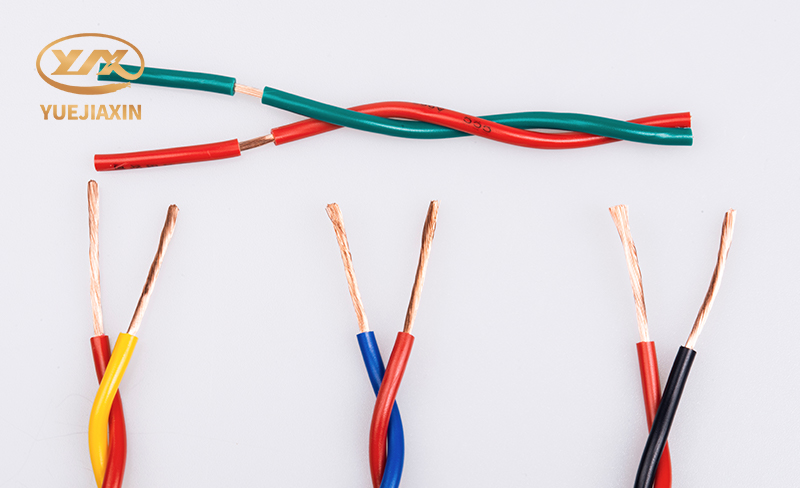
High-quality flexible cables utilize high-purity oxygen-free copper, ensuring compliant conductivity and stable resistance. Standard low-voltage residential circuits typically use 300/500V rated cables, while industrial machine tools and power control circuits require 450/750V ratings; high-voltage power applications require cables matched to the specific voltage level. Forcing a low-voltage cable into a high-voltage circuit creates a severe safety hazard, as the insulation layer will rapidly break down, leading to a short circuit. The smaller the required bending radius, the greater the need for flexibility:
For static, fixed installations, there is no need to blindly opt for ultra-flexible cables, as rigid cables offer superior stability; flexible, multi-strand cables demonstrate their advantages only in scenarios involving bending, movement, or confined wiring spaces. Selecting the appropriate cable model helps control procurement costs, minimizes circuit faults at the source, extends service life, and ensures the long-term safe and stable operation of the electrical system.