Charging pile cables, fast charging & efficient
Today, as new energy vehicles become increasingly widespread, charging stations are becoming an ever-more common sight; acting as "energy refueling points" within the urban landscape, they ensure the smooth operation of electric vehicle travel. Behind the stable functioning of these charging stations, YJV cables play a silent yet pivotal role. The YJV cable can be aptly described as the "lifeline" of a charging station, tasked with the critical mission of efficiently and stably transmitting electrical energy from the power source to the station, and subsequently to the electric vehicle itself. If one were to liken a charging station to the human body, the YJV cable would be akin to the network of blood vessels coursing throughout it—continuously delivering the "blood"—electrical energy—that sustains its vital functions. Should a fault occur in the YJV cable, the charging station would cease to operate normally, thereby forcing an interruption in the electric vehicle's charging process and causing significant inconvenience to users.
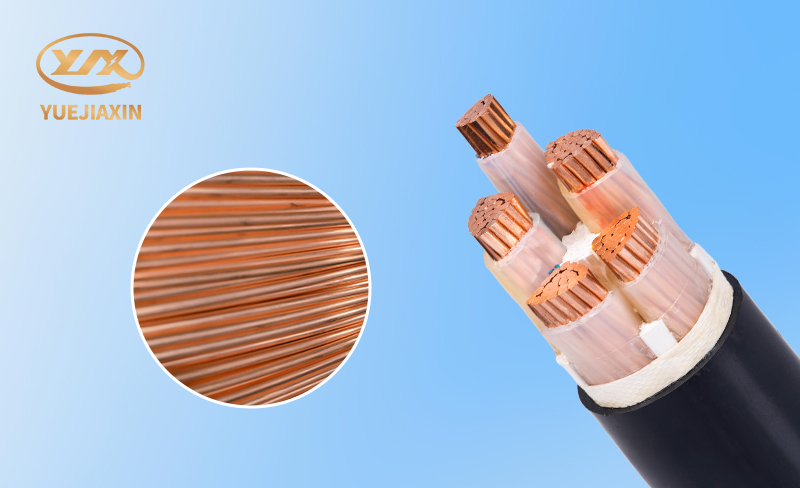
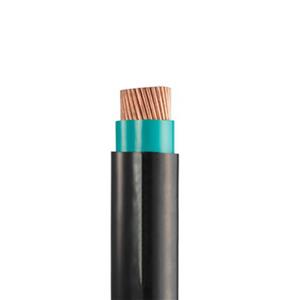
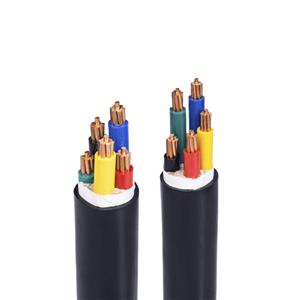
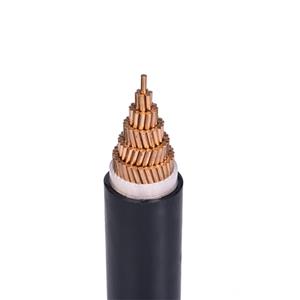
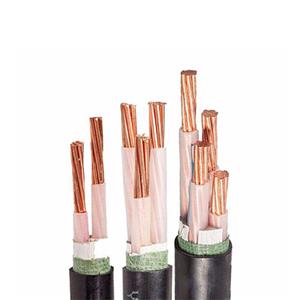
The structural design of YJV cable is remarkably sophisticated, with each component working in concert to ensure the cable's stable operation. It primarily consists of a conductor, a cross-linked polyethylene (XLPE) insulation layer, and a polyvinyl chloride (PVC) sheath. Serving as the cable's "heart," the conductor acts as the critical conduit for current transmission; for this role, YJV cables utilize high-purity copper as their material. Copper conductors possess excellent conductivity and low electrical resistance, thereby effectively minimizing energy loss during transmission. Encasing the conductor is a protective "garment" crafted from cross-linked polyethylene. This XLPE material boasts exceptional insulating properties, effectively isolating the conductor from the external environment to prevent current leakage and ensure operational safety. This layer constitutes the cable's outermost protective structure—akin to fitting the cable with a suit of sturdy armor. The PVC sheath offers numerous advantages, including high mechanical strength, chemical corrosion resistance, and water and moisture resistance. It safeguards the cable's internal structure against environmental degradation, ensuring the cable remains intact and secure whether situated in damp underground environments, chemical-rich industrial settings, or outdoors under intense ultraviolet radiation. Furthermore, to meet specific requirements, YJV cables may incorporate a shielding layer. Acting as an electromagnetic barrier—typically composed of metallic or non-metallic materials—this layer effectively mitigates electromagnetic interference, thereby ensuring stable and reliable signal transmission within the cable and shielding the flow of current from external electromagnetic "disturbances."
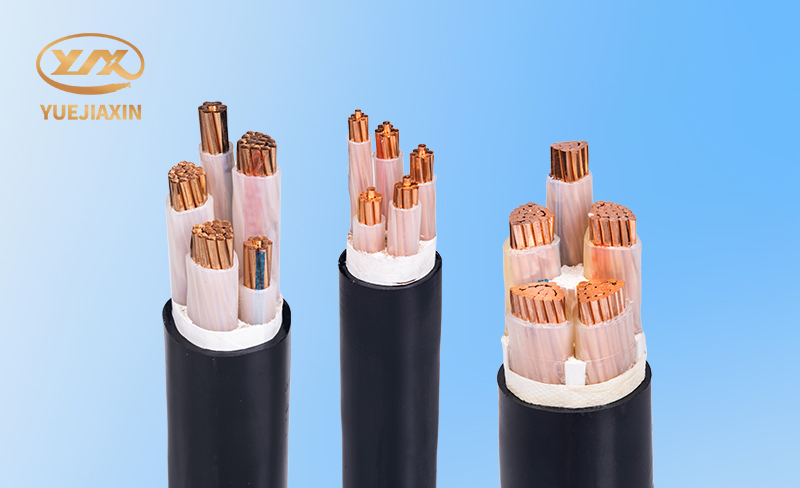
In today's era of booming new energy vehicles, charging piles—serving as vital supporting infrastructure—play an indispensable role. The YJV cable, acting as the "energy link" for these charging piles, stands out as the ideal choice in this sector thanks to its exceptional electrical and mechanical properties, excellent resistance to heat and aging, and reliable flame-retardant and safety characteristics.