Low-voltage cables, stable for home use
Home is a warm sanctuary, yet the low-voltage cables within it are often overlooked. Low-voltage cables are defined as cables with a rated voltage of 1 kV or less. They serve as a critical link in power transmission, connecting power generation, distribution, and electrical equipment. Widely utilized across diverse sectors—including urban power grids, industrial facilities, and residential buildings—they act as the "unsung heroes" that ensure the uninterrupted power supply essential for our daily lives and productive activities.
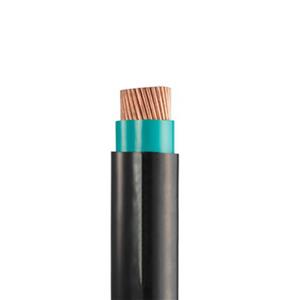
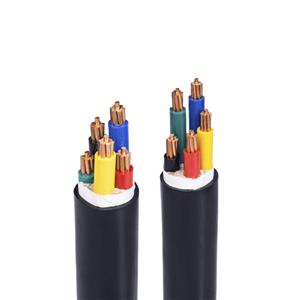
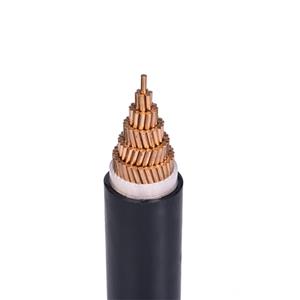
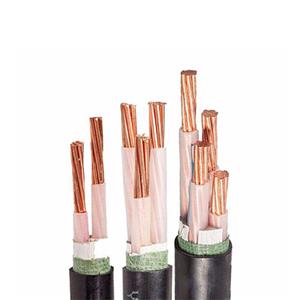
Common models of low-voltage cables include the VV and YJV series. The VV cable—specifically, a PVC-insulated, PVC-sheathed power cable—is relatively affordable and offers solid electrical performance. It boasts strong resistance to chemical corrosion, capable of withstanding acids, alkalis, and organic solvents. Furthermore, it is not restricted by installation gradients; consequently, it is frequently encountered in various standard fixed-installation environments, such as indoors, within cable trenches, or inside conduits. The YJV cable—a cross-linked polyethylene (XLPE) insulated, PVC-sheathed power cable—features superior insulation properties. It exhibits excellent heat resistance, high insulation resistance, and stable electrical characteristics, alongside outstanding chemical stability and aging resistance. With a higher current-carrying capacity than the VV cable, it is ideally suited for applications where the quality and reliability of power transmission are paramount.
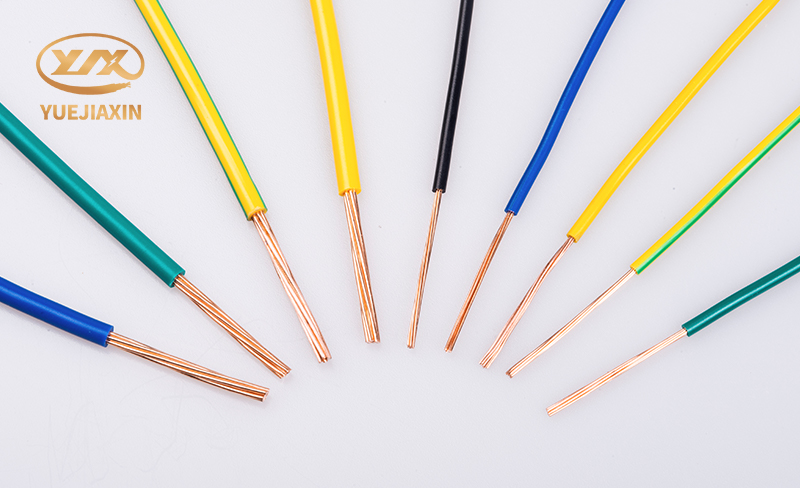
When selecting cables, it is essential to carefully inspect the product's CCC certification mark, as this serves as crucial proof that the product complies with national standards. In addition to CCC certification, Yuejiaxin Cables may also bear other quality certification marks—such as CE or TUV certifications—all of which signify the product's high quality and safety in specific aspects, thereby providing us with greater peace of mind.
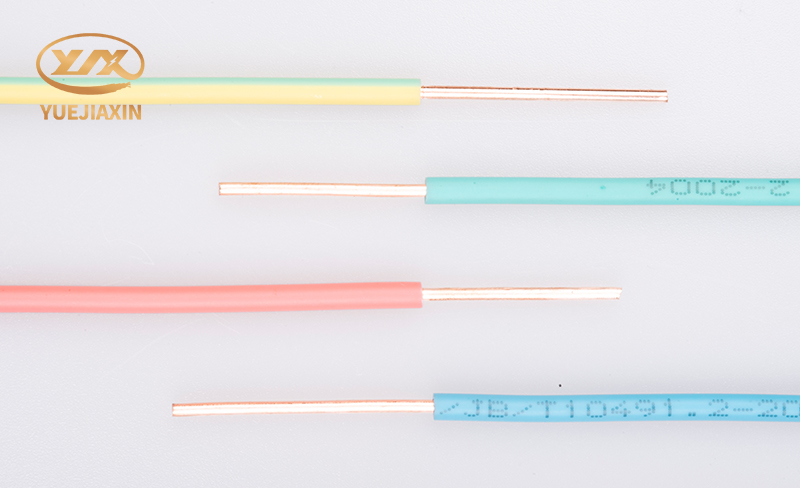
While the wiring used in home decoration may seem like a minor detail, it is, in reality, a matter of critical importance concerning both household electrical safety and overall quality of life. From understanding the fundamentals of low-voltage cables to precisely selecting the right wiring for different areas, and finally to distinguishing high-quality cables while avoiding common purchasing pitfalls—no stage of this process should be underestimated. Only by making the right choice of low-voltage cables can you ensure that every light in your home shines brightly and steadily, and that every appliance operates safely and efficiently.