Applications of Armored Aluminum-Core Cables
Within the vast network of power transmission, there is a type of cable that plays a crucial yet often overlooked role: the armored aluminum-core cable. What exactly is the function of this cable, and how does it ensure stable power transmission across diverse and complex environments? Let us take a closer look today at the varied applications of armored aluminum-core cables.
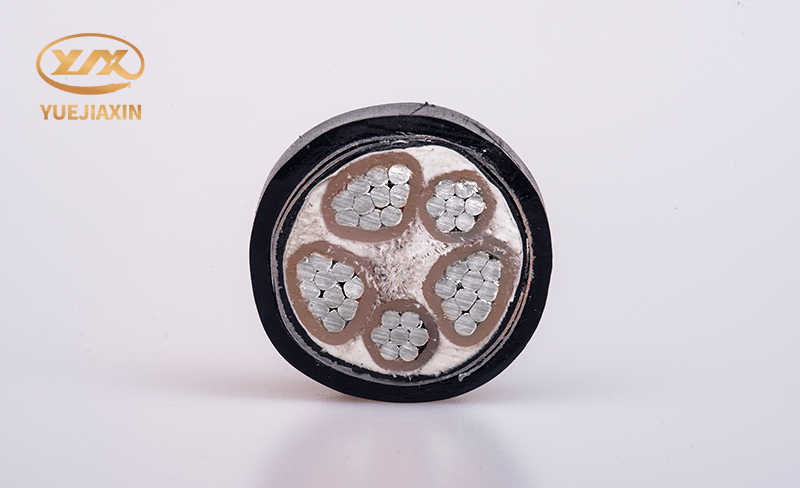
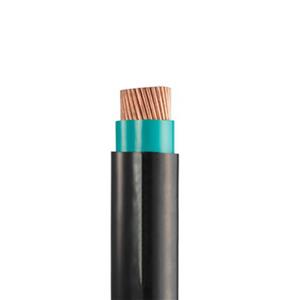
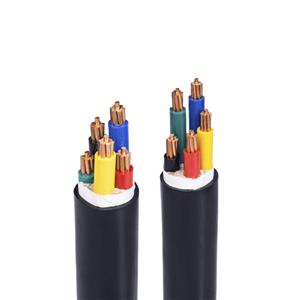
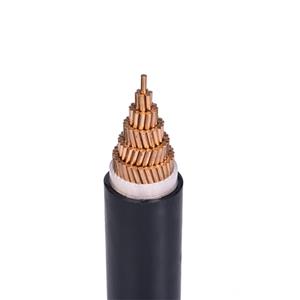
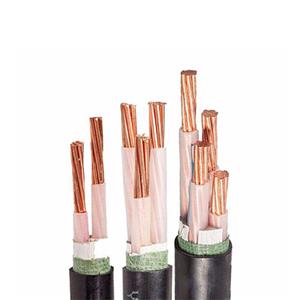
As the name suggests, armored aluminum-core cables consist of two key components: an aluminum core and an armor layer. The aluminum core serves as the conductor, offering inherent advantages such as light weight and low cost, while the armor layer acts as a sturdy shield, providing multiple forms of protection—including mechanical reinforcement and resistance to moisture and corrosion. This unique structural design has secured an indispensable role for armored aluminum-core cables in power transmission, making them widely applicable across various aspects of daily life and industrial production. The ability of these cables to operate reliably in complex environments is directly attributable to their unique construction. From the inside out, they primarily consist of an aluminum conductor, an insulation layer, a metal sheath (the armor layer), and an outer jacket. The aluminum conductor forms the cable's core and is responsible for carrying the electric current. Aluminum's low density results in a relatively lightweight cable, which significantly reduces construction difficulty and costs in scenarios such as long-distance installation and aerial work. The insulation layer typically utilizes high-performance materials like cross-linked polyethylene (XLPE); this not only ensures excellent electrical insulation—effectively preventing current leakage and safeguarding personnel and equipment—but also offers outstanding heat resistance, maintaining stability at elevated temperatures to ensure reliable operation and extend the cable's service life. The metal sheath is usually made of materials such as steel tape or steel wire; steel tape armor provides high mechanical strength, effectively resisting physical damage from external crushing or impact, making it suitable for direct burial or conduit installation, whereas steel wire armor focuses more on enhancing the cable's tensile strength.
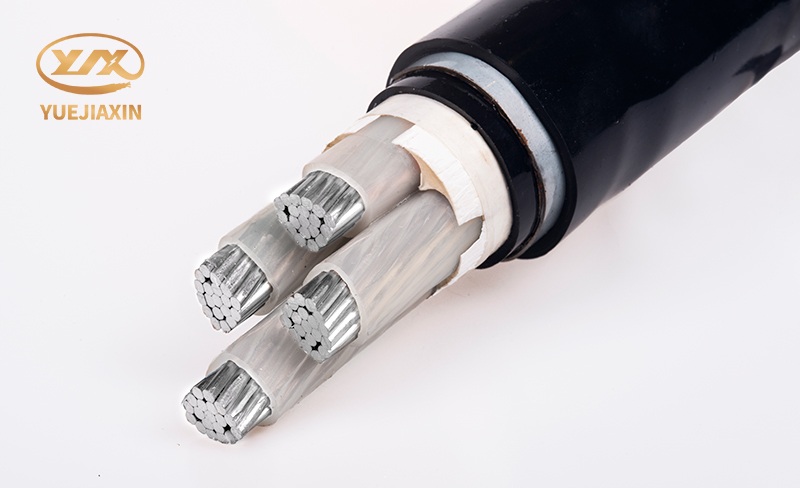
Armored aluminum-core cables play a pivotal role in the vast networks of power transmission and distribution, serving as a cornerstone of the industry. They are essential components of electrical grids in both bustling urban centers and expansive rural areas. Thanks to their exceptional mechanical strength, these cables operate reliably within complex environments—such as underground conduits and cable trenches—effectively withstanding physical stresses like crushing and impact.