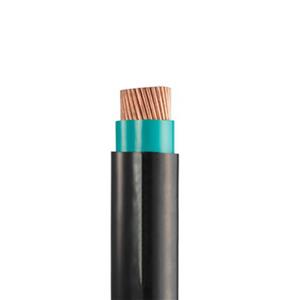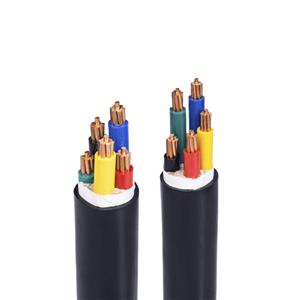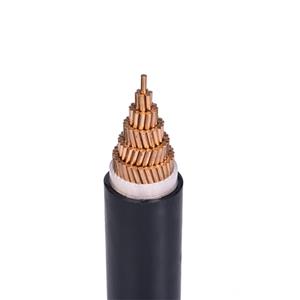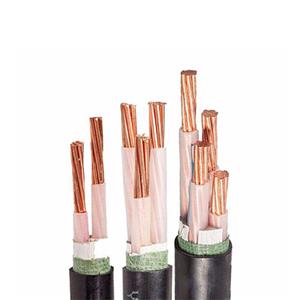
Solar cables, efficient new energy transmission
Against the backdrop of the global energy transition, the new energy industry is flourishing at an unprecedented pace. The installed capacity of renewable energy sources—such as solar, wind, and hydropower—continues to climb, gradually securing a pivotal position within the overall energy mix. Amidst this wave of new energy development, solar (PV) cables play a critical role; serving as the vital link connecting PV modules to inverters, energy storage systems, and other components, they bear the crucial responsibility of safely and efficiently transmitting the direct current (DC) converted from solar energy. Their performance directly impacts the stability and power generation efficiency of the entire PV system, effectively acting as the "blood vessels" that ensure a stable supply of new energy electricity.
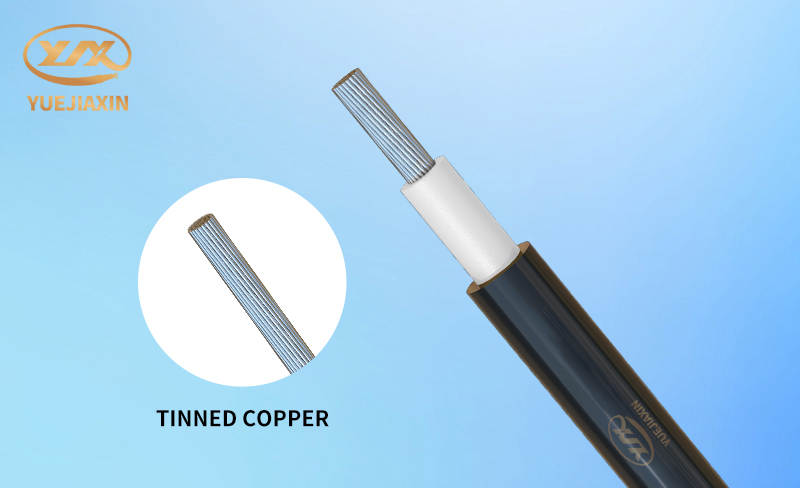
The electrical performance of solar cables is truly exceptional, constituting their core advantage in the efficient transmission of electricity. Utilizing high-purity copper or aluminum conductors, these cables possess extremely low electrical resistance, providing a smooth and unimpeded pathway for current flow.
In high-temperature environments, their specialized insulation and sheathing materials are capable of withstanding operating temperatures reaching up to 120°C without softening, deforming, or experiencing performance degradation, thereby ensuring that the cables continue to transmit power reliably even under the scorching sun. Conversely, in low-temperature environments—even at temperatures plummeting to -40°C—the cables retain their excellent flexibility and electrical integrity; they do not become brittle or crack due to the cold, thereby preventing power interruptions caused by cable damage.
Solar cables also demonstrate outstanding resistance to ultraviolet (UV) radiation. Their sheathing materials are infused with specialized anti-UV additives that effectively absorb and reflect ultraviolet rays, preventing UV-induced damage to the cable's internal structure and significantly extending its service life.
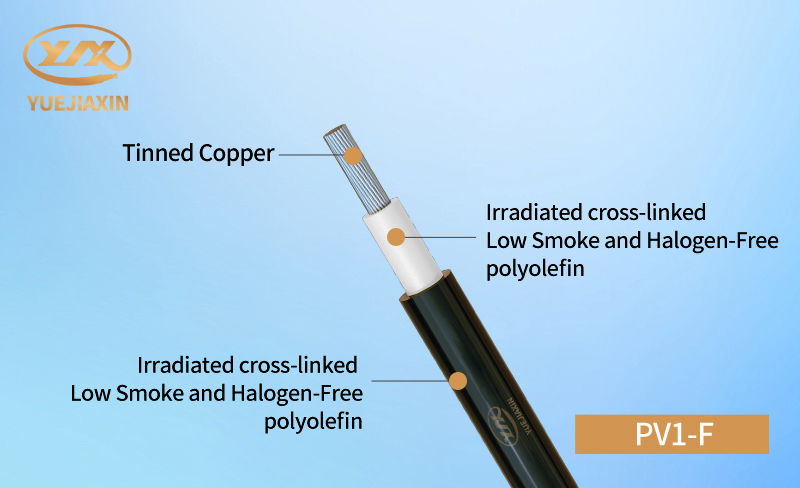
As a critical link in the transmission of new energy electricity, solar cables play an indispensable and vital role in the global energy transition. Their exceptional performance and continuously evolving technology provide a robust guarantee for the efficient and stable transmission of new energy power, thereby driving the vigorous growth of the solar power generation industry. We are confident that, through the concerted efforts of all stakeholders, solar cables will continue to innovate and evolve, playing an even greater role within the new energy sector and making substantial contributions toward building a clean, low-carbon, secure, and efficient energy system, as well as advancing global energy transition and sustainable development.