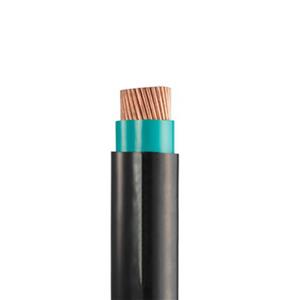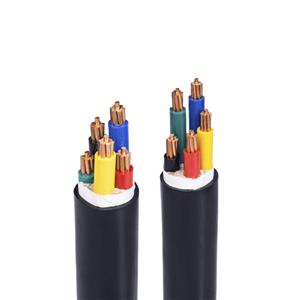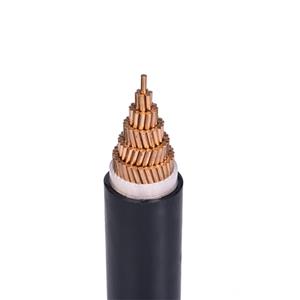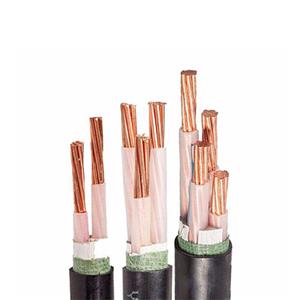
Flame-retardant cables, high-temperature & safe
Whether it involves home renovations, commercial wiring, factory power distribution, or subway tunnel operations—we interact with wires and cables every single day. Yet, the vast majority of people focus solely on factors such as conductivity speed or cost, while overlooking the most critical aspect: whether a cable can uphold the fundamental standard of safety when confronted with high temperatures and fire. Every year, countless fire accidents are triggered by aging wires, short circuits, or overloads. Ordinary cables melt and ignite with alarming ease under high heat; as flames race along the wiring, they not only destroy property but also sever power supplies essential for firefighting and block off escape routes, thereby precipitating irreparable tragedies. Flame-retardant, high-temperature-resistant cables, however, serve as our silent guardians—invisible safety sentinels that utilize robust, uncompromising performance to construct a defensive line for life that fire can neither breach nor consume.
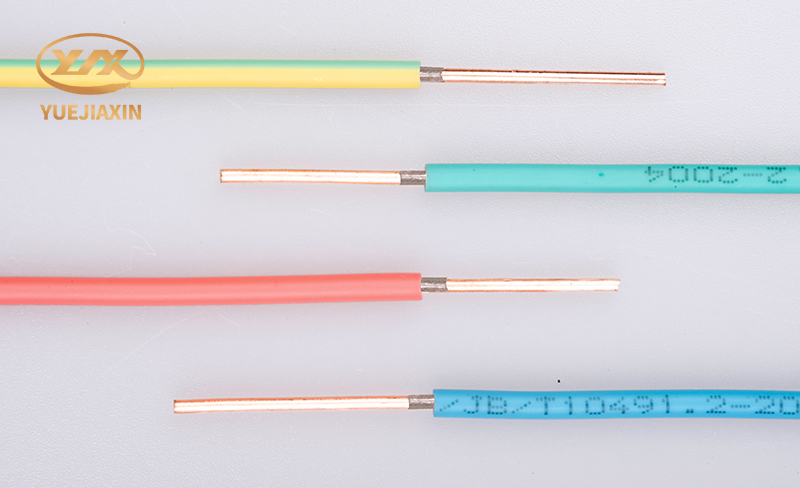
In everyday electrical usage, cables remain under continuous power for extended periods. The simultaneous operation of high-power appliances, aging wiring, and hot, stagnant environments can all cause cable temperatures to rise steadily. The insulation and sheathing of ordinary cables typically utilize conventional plastic materials, which suffer from two critical flaws: extremely poor heat resistance—with a long-term tolerance limit of only around 60°C—meaning that if ambient temperatures exceed safe limits or circuits become overloaded, the cables will quickly soften, deform, and crack. This leads to a precipitous decline in insulation performance, making them highly susceptible to short circuits and electrical leakage. Furthermore, they lack flame-retardant capabilities; upon exposure to open flames, they ignite rapidly, allowing fire to spread swiftly along the length of the cable. During combustion, they also emit copious amounts of toxic smoke and corrosive gases—substances that not only exacerbate the fire but can also cause asphyxiation and loss of consciousness in individuals, thereby hindering firefighting and rescue operations. Finally, they exhibit a rapid aging rate; high-temperature environments accelerate degradation, drastically shortening their service life. This results in high future maintenance and replacement costs while constantly harboring latent risks of electric shock and fire. Simply put, ordinary cables act as "flammable fuses"; while they may appear normal under ordinary circumstances, the moment they encounter high temperatures or open flames, they instantly transform into accomplices in a fire disaster.
Flame-retardant, high-temperature-resistant cables are not merely ordinary cables fitted with an extra protective layer; rather, they represent a comprehensive upgrade encompassing material formulation, structural design, and manufacturing processes. Every detail is engineered with safety in mind, and their core advantages directly address the critical shortcomings of ordinary cables. By utilizing specialized heat-resistant insulation and sheathing materials—such as cross-linked polyethylene or halogen-free flame-retardant polyolefins—these cables buy precious "golden time" for personnel evacuation and firefighting efforts. High-quality flame-retardant cables typically feature a "halogen-free, low-smoke" design; free from toxic halogens like chlorine and bromine, they do not release highly toxic gases or corrosive fumes during combustion. Furthermore, the smoke density generated is extremely low, significantly boosting the chances of successful escape during a fire. Compared to ordinary cables, flame-retardant cables demonstrate vastly superior weather resistance and anti-aging properties. Even in complex environments characterized by extreme temperature fluctuations, high humidity, or significant load variations, they maintain stable performance without easily cracking or degrading. Their service life is extended by over 30% compared to ordinary cables, offering long-term peace of mind after a single installation and eliminating the hassle of frequent maintenance and replacement.
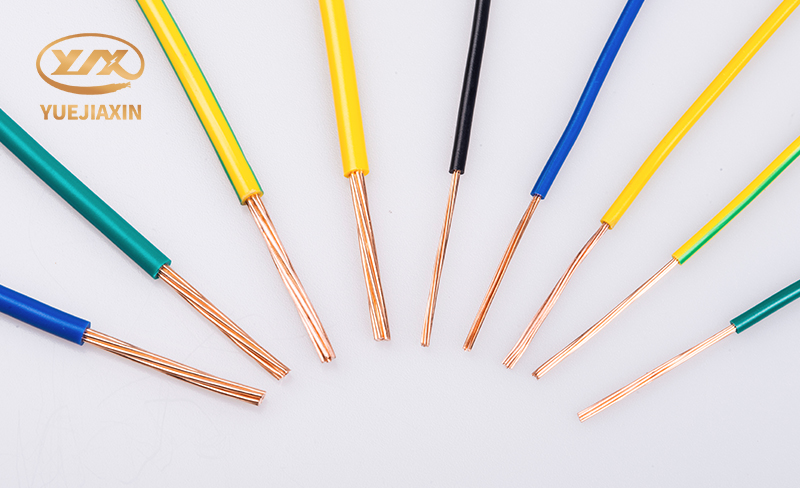
Flame-retardant cables—engineered to withstand high temperatures without melting, prevent fire propagation, and emit low smoke with zero toxicity—leverage robust performance capabilities to minimize electrical risks. Whether you are renovating a new home, upgrading the wiring in an older residence, or undertaking large-scale engineering cabling projects, do not base your decision solely on price and conductivity; prioritizing flame retardancy and high-temperature resistance as your primary criteria is the most responsible choice for safeguarding both life and property.