High-efficiency transmission BV/BVR wires improve the operating efficiency of power systems.
In the world of electrical wires, model numbers are like their "identity codes," with each letter containing unique information. BV and BVR are two common types of wires, and their fundamental differences can be seen from their model numbers.
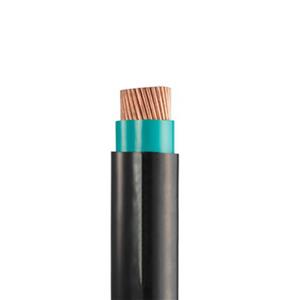
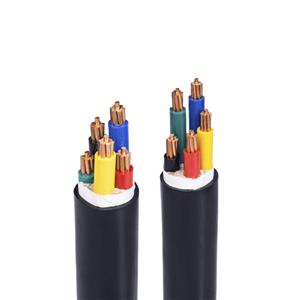
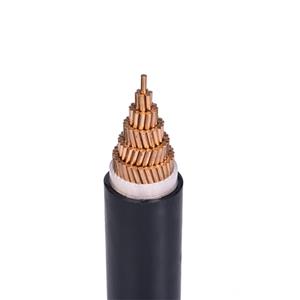
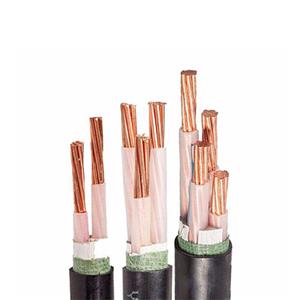
BV wire, short for copper core PVC insulated building wire, consists of a solid copper core tightly wrapped with a PVC insulation layer. "B" represents building wire, and "V" represents PVC insulation. This single-strand rigid conductor structure is highly rigid and has strong tensile strength, making it particularly suitable for long-term fixed wiring scenarios. BVR wire, or copper core PVC insulated flexible wire, is constructed like a tightly bound group, with multiple thin copper wires twisted together, also wearing a PVC insulation "outer coat." This unique multi-strand structure gives it dancer-like flexibility, easily handling various complex wiring environments. Here, "R" represents "flexible," reflecting its flexibility. BVR wire can be repeatedly bent without breaking, making it the "Transformer" of electrical wires, always proving its worth in scenarios requiring flexible movement. For example, in the concealed wiring of some newly renovated houses, the lines need to weave through various pipes and corners. BVR cables can easily turn and perfectly avoid obstacles to complete the wiring task smoothly thanks to their flexibility. In the wiring inside equipment, where the space is small and complex, BVR cables can also use their "flexible skills" to provide stable power support for the normal operation of the equipment.
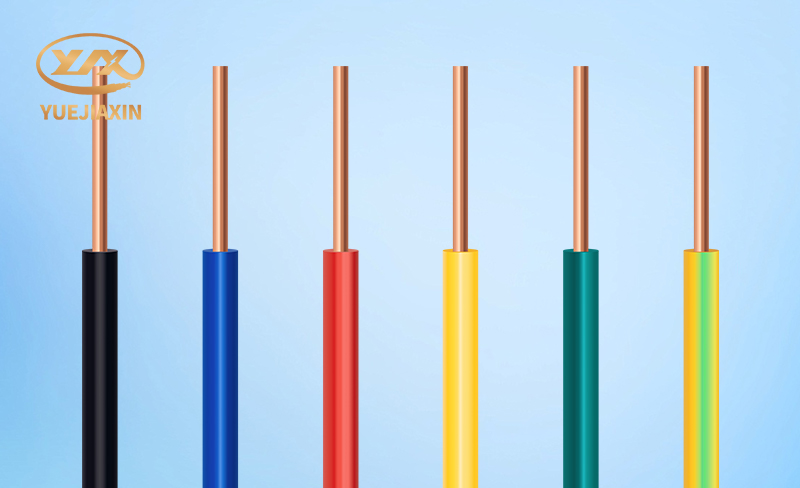
BV wires have a simple and robust structure, with joints that are not easily loosened and a low risk of oxidation. When concealed in the wall, provided it is installed correctly and protected from external damage, it can last for over 20 years, silently safeguarding the electrical safety of your home. However, BV wires also have their weaknesses; excessive bending can easily cause the copper core to break, posing a certain safety hazard in some extremely tortuous environments. BVR wires, with their multi-strand design, possess strong resistance to external damage, with a bending fatigue life more than three times that of BV wires, making them ideal for use in vibration environments or with mobile equipment. BVR wires can maintain good performance in such environments, ensuring the normal operation of the equipment.
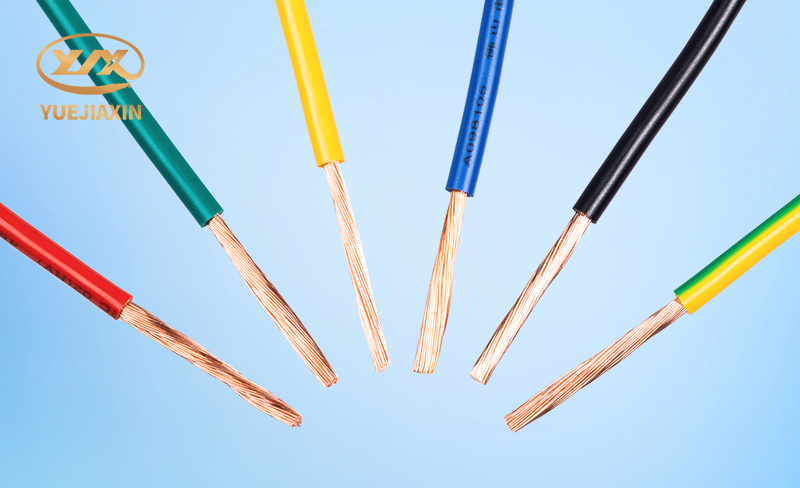
Choosing the right electrical wiring for your home is like building a solid foundation for your home's electrical system. BV and BVR wires each have their advantages, and the key is finding the right fit for your needs. If the wiring is fixed and cost-effective, BV wire is undoubtedly your best choice; however, if you need flexible wiring or a complex environment, BVR wire is a wiser option. When wiring your home, using solid wire for the main line ensures stable current carrying capacity, while branch lines can be made with either solid or flexible wire depending on the situation. Especially in humid or vibrating environments, prioritizing flame-retardant flexible wire adds an extra layer of safety to your home's electrical system.