As a direct manufacturer, we explain the differences in suitable application scenarios between aluminum-core and copper-core cables.
In fields such as power engineering, building construction, municipal power distribution, and home wiring, cable selection is a crucial step in ensuring power supply safety, controlling project costs, and extending equipment lifespan. The debate over copper-core versus aluminum-core cables has been ongoing for a long time: many contractors blindly choose aluminum-core cables in pursuit of lower costs, creating potential power supply safety hazards; while in some scenarios, the exclusive use of copper-core cables leads to unnecessary resource waste and budget overruns.
As a professional manufacturer specializing in cable R&D, production, and manufacturing, Foshan Yuejiaxin Wire & Cable Co., Ltd., leveraging years of experience in producing national standard cables and thousands of successful project implementations, provides an authoritative interpretation of the core differences between copper-core and aluminum-core cables from multiple dimensions, including material performance, safety standards, service life, cost control, and construction compatibility. We accurately define the suitable application scenarios for both types of cables, offering industry professionals a scientific and reliable selection reference. The suitability of a cable for a given scenario is essentially determined by the physical properties of the conductor material. The differences in conductivity, oxidation resistance, and mechanical properties between copper and aluminum directly determine their application boundaries and are the core basis for project selection.
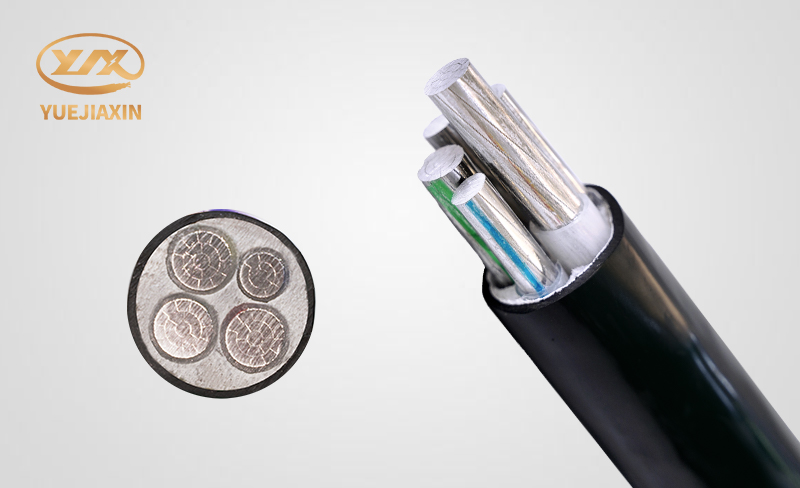
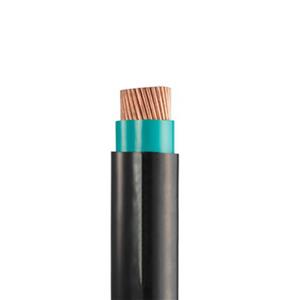
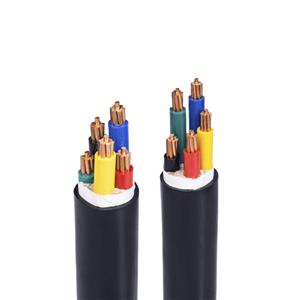
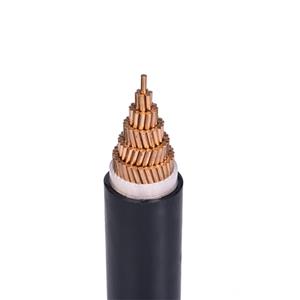
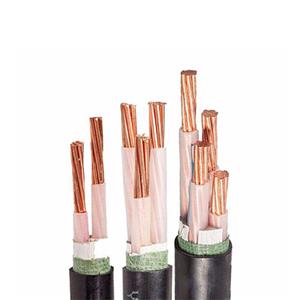
Copper core cables, with their excellent conductivity, stability, and anti-aging properties, have become the mainstream choice for high-safety, high-precision, and long-term power supply scenarios. They boast high conductivity and low resistivity, allowing for greater current carrying capacity and lower voltage drop for the same wire diameter, resulting in extremely low long-term line loss. They also exhibit strong ductility, good bending and tensile strength, excellent construction adaptability, and outstanding resistance to oxidation, corrosion, and vibration, with a stable service life of 25-30 years, making them suitable for complex and demanding power supply environments. Aluminum core cables, on the other hand, offer significant advantages in cost-effectiveness and lightweight design. Raw material costs are far lower than copper, reducing overall procurement costs by 40%-50%. They also weigh only one-third of copper core cables, greatly reducing the difficulty of long-distance overhead and outdoor installations and the load-bearing pressure on equipment. However, their disadvantages are equally prominent: conductivity is only about 60% of copper, requiring a wire diameter 1.5-2 times larger for the same load; the material is brittle and prone to oxidation, joints are prone to loose connections and overheating, and the service life is only 15-20 years, requiring more frequent maintenance later on. Long-distance power transmission projects, such as urban external power distribution, urban and rural power grid renovation, and industrial park outdoor main incoming lines, involve large line spans and open construction spaces, eliminating the need for confined wiring environments. Using large-section aluminum core cables can significantly reduce raw material and construction/hoisting costs while meeting power load requirements, making it the mainstream choice for municipal infrastructure projects.
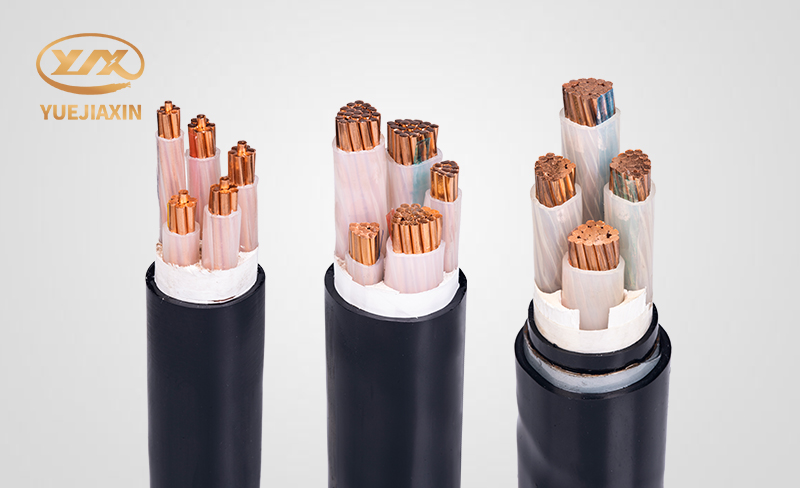
There is no absolute superiority or inferiority between copper core cables and aluminum core cables; the difference lies only in their suitability for different scenarios. For scenarios prioritizing safety, precise power supply, complex operating conditions, and long-term indoor power consumption, copper core cables are the preferred choice. For long-distance power transmission to external power grids, open outdoor projects, short-term temporary power needs, and large-scale infrastructure projects with strict budget controls, aluminum core cables are the preferred option. As a manufacturer of national standard cables, we focus on the research and development and production of various copper and aluminum core power cables, control cables, and fire-resistant and flame-retardant cables. We offer a full range of specifications, meet national standards, support testing, and have ample stock. For various engineering projects, we provide free selection consultation, budget calculation, and technical support services to help projects select the right cables, ensure safe construction, and efficiently reduce costs.