Armored cables are not a panacea! Understand the applicable scenarios before purchasing to avoid wasting costs.
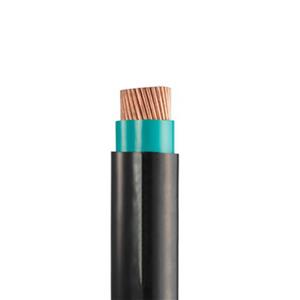
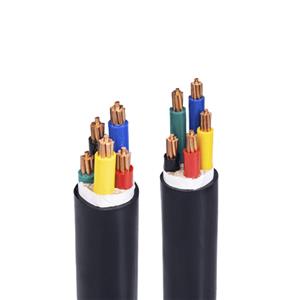
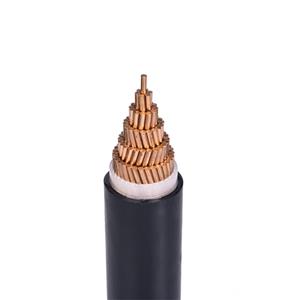
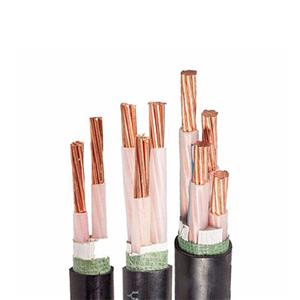
Most clients opt for armored cables primarily to gain an extra layer of metal protection. However, this comes at a cost: the unit price rises, the outer diameter increases, the weight grows significantly, cable trays require reinforcement, installation crews face difficulties at bends, and lead times are extended. In essence, armoring consists of a layer of metal tape or wire applied over the insulated cores but beneath the outer sheath (in the case of interlocked armor, the metal tape itself serves as the outer protective layer), designed to provide resistance against external mechanical damage. It is not a waterproof layer, a flame-retardant layer, or a corrosion-resistant layer, nor does it enhance the cable's current-carrying capacity.
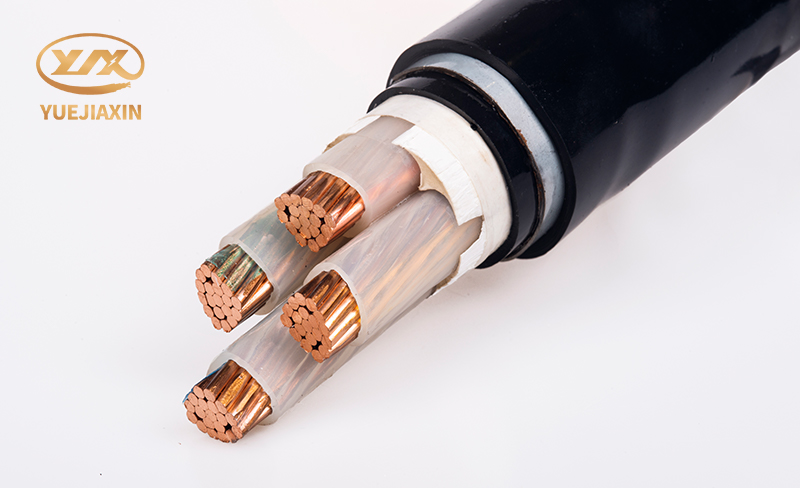
Common types of cable armor include the following: Steel-tape armor (e.g., YJV22) provides resistance to compression and mechanical damage, making it suitable for direct burial, installation within conduits, or areas subject to vehicular traffic. Steel-wire armor (e.g., YJV32/33) offers high tensile strength and is used for long-distance vertical installations, underwater applications, or scenarios where the cable must withstand significant pulling forces. Aluminum tape, aluminum alloy tape, and non-magnetic stainless steel tape are employed in environments where concerns regarding eddy-current losses or corrosion exist. The necessity for armor depends on specific conditions. First, consider whether there is a genuine risk of external mechanical impact. Armor is justified in scenarios such as direct burial in backfill containing rocks, areas subject to vehicle traffic or agricultural machinery, ground that may be excavated in the future, locations prone to impact (e.g., where cables pass through walls, floor slabs, or near column bases), or facilities like warehouses and farms with high risks of rodent damage. Conversely, in indoor cable trays, above suspended ceilings, within enclosed utility shafts, or in equipment rooms far removed from construction activity, the risk of external impact is minimal, rendering extensive armor unnecessary. Second, consider the installation method and the direction of applied forces. For direct burial, where cables primarily face pressure and impact, steel-tape armor is the appropriate choice. For long-distance vertical suspension in shafts, the cable’s own weight becomes the primary load, requiring steel-wire armor to bear the tensile stress. Underwater installations require protection against both tensile forces and abrasion. In contrast, for equipment that undergoes frequent movement, dragging, or bending—such as stage equipment, robotics, or mobile power units—conventional armor would only make the cables excessively rigid and heavy. In these cases, the correct approach is to select highly flexible drag-chain cables rather than forcing an additional layer of armor onto the cable. Finally, one must account for space constraints and heat dissipation. Since armor increases both the outer diameter and the weight of a cable, it also necessitates a larger bending radius. In projects with limited space in cable trays, numerous bends, or restricted ceiling heights, the forced application of armor often leads to two negative outcomes: the cable may be bent beyond its limits during installation, compromising its quality; and the increased outer diameter can impair heat dissipation.
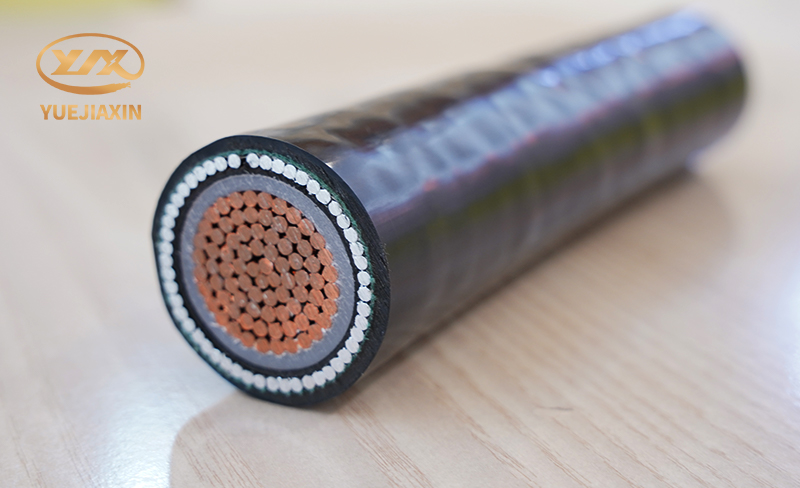
Taking all these factors into account, armored cables are not a universal solution; whether they are necessary should be determined based on the specific conditions of the construction project.