How to Choose Between Single-core and Multi-core Cables?
For the same circuit, one might consider using either a 4×25 YJV cable or four individual single-core 25 mm² YJV cables. While these two options may seem similar, there is a significant difference in their total cost. What exactly sets them apart? This is a recurring question in our daily procurement and technical discussions. The distinction between single-core and multi-core cables—which might appear to be merely a matter of "one cable" versus "a bundle of cables"—actually has far-reaching implications for current-carrying capacity, installation methods, cable tray space, the number of joints, and long-term maintenance costs.
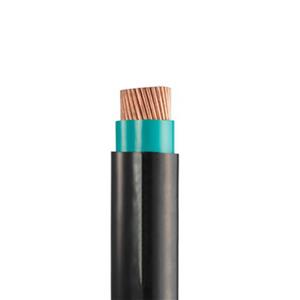
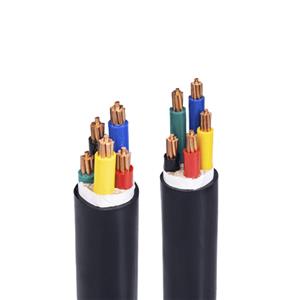
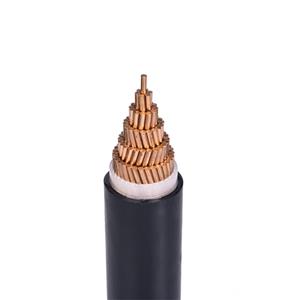
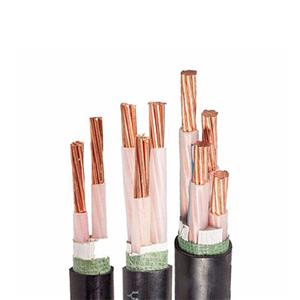
As a manufacturer of electrical wires and cables, we would like to explain how these structural differences translate into practical, engineering-related distinctions. Choosing a cable is not just about the product itself; it dictates the entire lifecycle—from design and procurement to installation and final inspection. A single-core cable consists of a conductor with its own individual insulation and sheath, whereas a multi-core cable contains two or more individually insulated conductors twisted together within a single common sheath. The true deciding factors for selection are not merely the number of conductors, but rather three key considerations: how the conductors dissipate heat (whether independently or by heating each other up when bundled); the logistics of installation (whether a single unit is installed at once or multiple individual cables are handled separately); and the requirements for replacement (whether a single faulty core can be replaced, or if the entire cable assembly must be swapped out). It is important to clear up a common misconception: a single-core cable is not simply a "multi-core cable taken apart," nor is a multi-core cable merely a "bundle of single-core cables." They are governed by distinct standards regarding current-carrying capacity, installation requirements, jointing techniques, and the selection of armoring materials. For a given nominal cross-sectional area, a single-core cable typically offers a higher current-carrying capacity than a multi-core version. The reason is straightforward: in a multi-core cable, the conductors are packed together, which causes heat to accumulate and restricts the paths for heat dissipation. In contrast, single-core cables operate independently, providing a larger surface area that allows heat to dissipate more effectively.
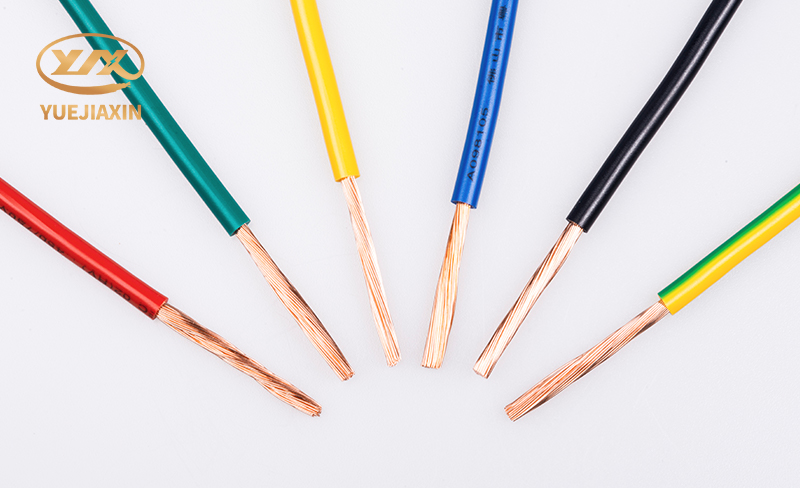
The advantages of multi-core cables are straightforward: they allow for a single-pass installation. With multiple conductors sharing a common sheath, only one cable needs to be terminated, and they occupy less space in cable trays—making it easier to manage project timelines and labor. These benefits are most pronounced in applications such as floor-level branch circuits within buildings or short-run power distribution inside equipment rooms. Single-core cables, by contrast, offer greater flexibility, making them easier to maneuver through tight spaces, around multiple bends, or into conduits. However, because they require multiple runs, the installation process becomes more complex—not only due to the sheer number of cables but also because the arrangement of the various phases within a single circuit must be carefully managed, which can also lead to more intensive use of cable tray space. Once assembled, multi-core cables exhibit better structural integrity, generally offering more balanced resistance to lateral pressure, external forces, and vibration, while also being simpler to secure and support. Conversely, using a large number of single-core cables places higher demands on support structures, bundling methods, and protection against mechanical damage. On the other hand, if a single conductor within a multi-core cable is damaged, the entire cable often needs to be replaced or the affected section repaired; with single-core cables, a fault typically affects only the specific conductor involved, limiting the scope of necessary repairs. Therefore, there is no universal answer as to which is "more reliable"—it depends on which type of failure risk you are more concerned about: the cost of replacing an entire multi-core cable versus the increased probability of damage arising from the installation of multiple individual cables. Ultimately, this question can only be answered by considering the specific operating environment of the circuit in question.
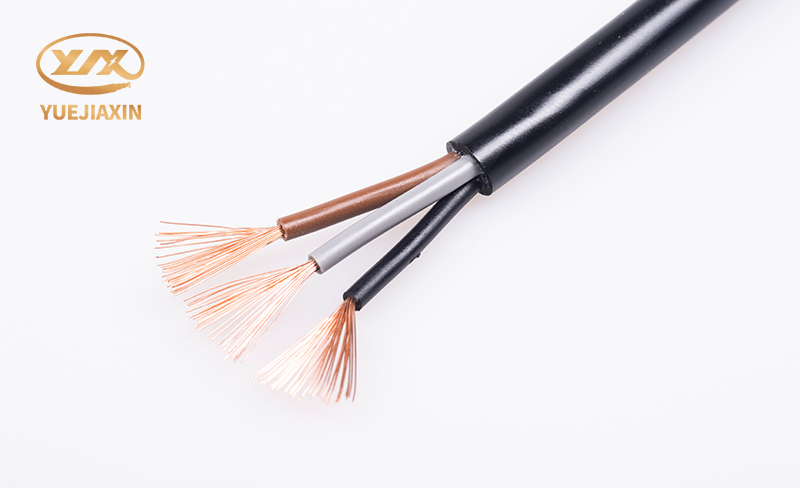
The distinction between single-core and multi-core is not a matter of "premium" versus "standard," but rather a choice between different engineering trade-offs: single-core designs offer better heat dissipation and flexibility, at the cost of requiring a higher number of individual conductors and more complex installation logistics; multi-core designs offer greater integration, but at the expense of reduced flexibility when it comes to full-scale replacement.