A Comprehensive Analysis of the Advantages and Disadvantages of Aluminum Alloy Cables
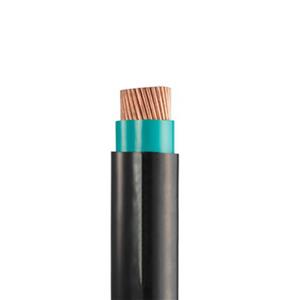
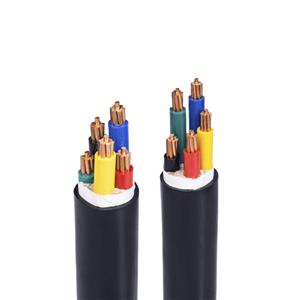
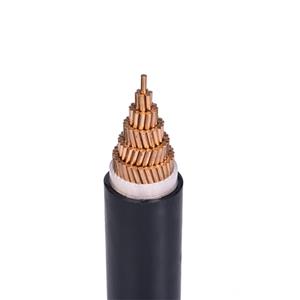
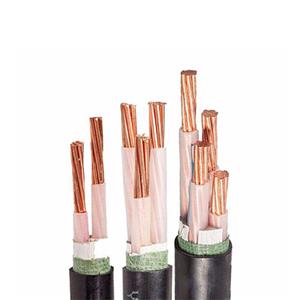
In our daily lives, cables silently bear the critical responsibility of transmitting electricity—whether buried underground or suspended overhead—providing the indispensable energy that powers our lives and work. With the advancement of technology, aluminum alloy cable has emerged as a novel power transmission material; it is gradually gaining prominence within the power transmission sector, earning recognition as a highly-watched "rising star" in the industry. Today, let us take a deep dive into the advantages and disadvantages of aluminum alloy cables.
In terms of cost, aluminum alloy cables possess distinct advantages. Since aluminum serves as the primary raw material, its price is significantly lower than that of copper, thereby giving aluminum alloy cables an inherent cost advantage right from the raw material procurement stage. Furthermore, due to their lighter weight, the associated costs for labor and transportation equipment during transit are correspondingly reduced. Moreover, installation requires less specialized equipment, leading to further savings in installation costs. Aluminum alloy cables weigh only one-third to one-half as much as copper cables with equivalent current-carrying capacity—a characteristic that demonstrates its full value during the installation process. Simultaneously, this reduction in cable weight alleviates the structural load placed on buildings, thereby enhancing their overall safety and stability. Aluminum alloy cables also demonstrate exceptional mechanical properties. They exhibit strong creep resistance; the conductors undergo a specialized treatment process that effectively prevents the loosening phenomenon often caused by prolonged overloading and overheating. In applications requiring frequent bending or subjection to significant mechanical stress—such as connection cables for equipment on automated production lines—the high flexibility and low spring-back characteristics of aluminum alloy cables allow them to adapt with superior efficiency.
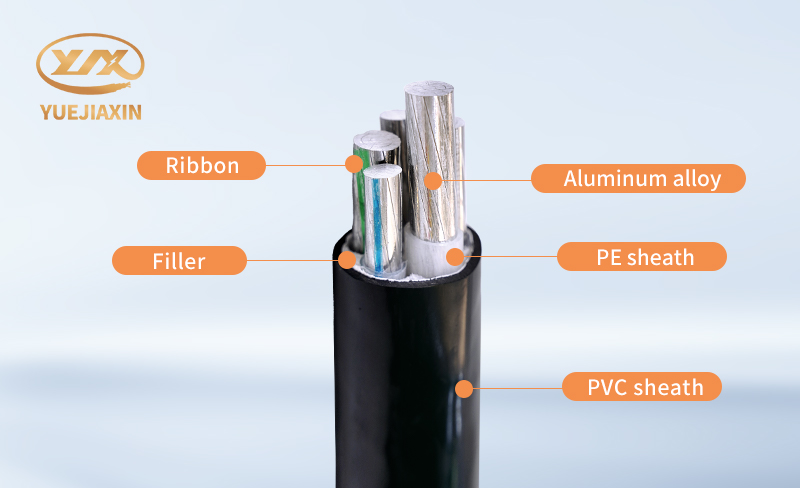
Aluminum alloy cables exhibit excellent corrosion resistance. A dense oxide film forms on the surface of the aluminum; this layer effectively prevents the ingress of oxygen and moisture, thereby enhancing the cable's resistance to corrosion.
Although aluminum alloy cables demonstrate advantages in numerous aspects, they fall somewhat short when compared to copper cables in terms of electrical conductivity. Aluminum alloys possess a relatively high resistivity, implying that—given identical cable lengths and current transmission requirements—aluminum alloy cables will incur greater energy loss than their copper counterparts. Consequently, in scenarios demanding exceptionally high conductivity and where energy loss is a critical concern—such as in precision electronic equipment or ultra-high-voltage power transmission systems—aluminum alloy cables may fail to meet the necessary requirements. Furthermore, in industrial production environments where cables are subject to frequent movement or bending, the mechanical properties of aluminum alloy cables may prove insufficient; this can lead to a shortened service life, increased maintenance costs, and heightened safety risks.
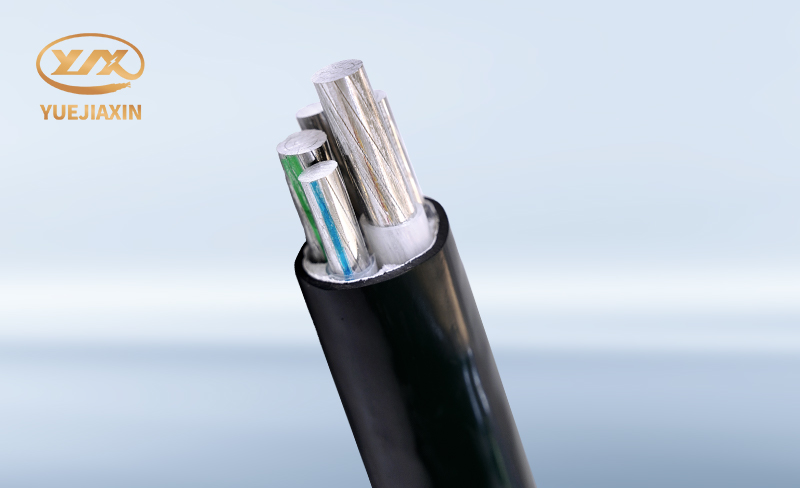
Thanks to its multifaceted advantages—including cost-effectiveness, mechanical and electrical properties, corrosion resistance, and self-supporting capacity—aluminum alloy cable has secured a foothold in the field of building electrical systems, providing economical and practical power transmission solutions for numerous engineering projects. However, its shortcomings regarding fire resistance, connection reliability, coefficient of thermal expansion, and industry standards have also limited its broader application.