Differences and applications of aluminum wire armor and steel wire armor
In power engineering, municipal construction, and industrial cabling, armored cables are essential products for outdoor, underground, and special working conditions. However, many people confuse aluminum wire armored (AWA) and steel wire armored (SWA) cables, mistakenly believing that the only difference is the material and they are interchangeable. In reality, the core performance, applicable scenarios, and electrical characteristics of the two types of armored cables are vastly different. Using the wrong type can not only increase construction costs but also potentially cause cable overheating, overload, drastically reduced lifespan, and even create safety hazards.
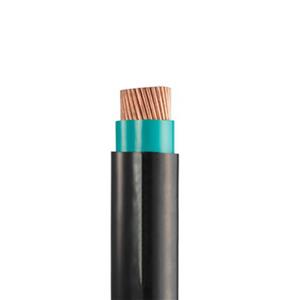
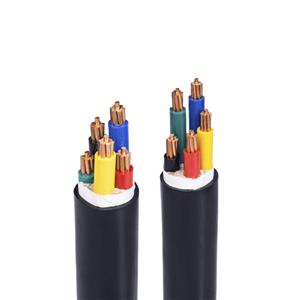
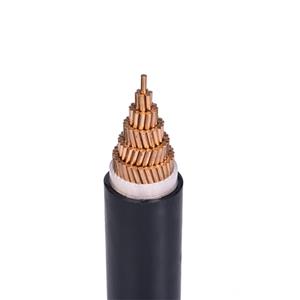
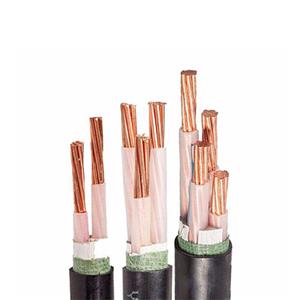
The core function of armored cables is to add a metal protective layer outside the cable insulation layer to resist external forces such as compression, tension, and abrasion, adapt to complex laying environments, and extend the cable's service life. Aluminum wire armored and steel wire armored cables are the two most commonly used armoring forms in high-voltage and high-current scenarios. Steel wire armored (SWA) uses multiple strands of high-strength galvanized steel wire twisted and wrapped around the outer layer of the cable, resulting in extremely high mechanical strength and outstanding resistance to compression, tension, and impact. It is the mainstream armoring type for industrial and municipal engineering projects. Aluminum wire armor (AWA) uses lightweight aluminum wire as the armor layer. Its main characteristic is its non-magnetic nature. While its mechanical strength is relatively weak, its electrical performance is excellent, making it specifically suitable for single-core high-voltage AC cable applications. Steel wire armor's core advantage is its superior mechanical protection, which is the primary reason it has become the standard for multi-core cables. In three-core and multi-core cables, the magnetic fields of the three-phase currents cancel each other out, preventing significant eddy currents. Steel wire armor can reliably perform its functions of resisting pressure, tension, and damage. The non-magnetic nature of aluminum wire perfectly solves the eddy current heating problem of single-core high-voltage cables, making it the exclusive choice for high-voltage, high-current single-core lines. Its lightweight advantage also makes it more suitable for vertical laying, high-altitude cable trays, and large-span overhead applications, without placing excessive load on the building structure. However, its mechanical performance is very weak. It cannot withstand soil compression, heavy object crushing, or mechanical pulling. If it is used for direct burial, heavy-load ground or underwater drop laying, the armor is very easy to deform or break, and lose its protective function. Therefore, it can never replace steel wire armor for harsh mechanical working conditions.
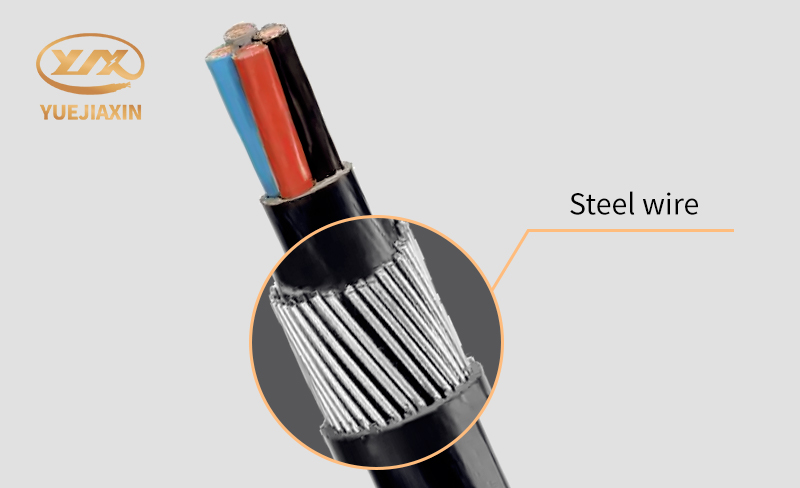
For multi-core cables, underground installations, heavy-duty applications, and applications requiring tensile and compressive strength, steel wire armored (SWA) cables are the preferred choice, offering comprehensive protection and high cost-effectiveness. For high-voltage single-core cables, high-current applications, cables susceptible to eddy current heating, and lightweight installations at high altitudes, aluminum wire armored (AWA) cables are essential, providing stable electrical performance and eliminating energy consumption risks. Steel wire armored cables are prohibited for high-voltage single-core AC cables, and aluminum wire armored cables are prohibited for underground heavy-duty applications. There are no "one-size-fits-all" products in engineering selection; only "precisely tailored" solutions. Understanding the differences in characteristics between the two types of armored cables is crucial to ensuring the safe and stable operation of power lines while controlling construction costs, extending cable lifespan, and mitigating various engineering hazards.